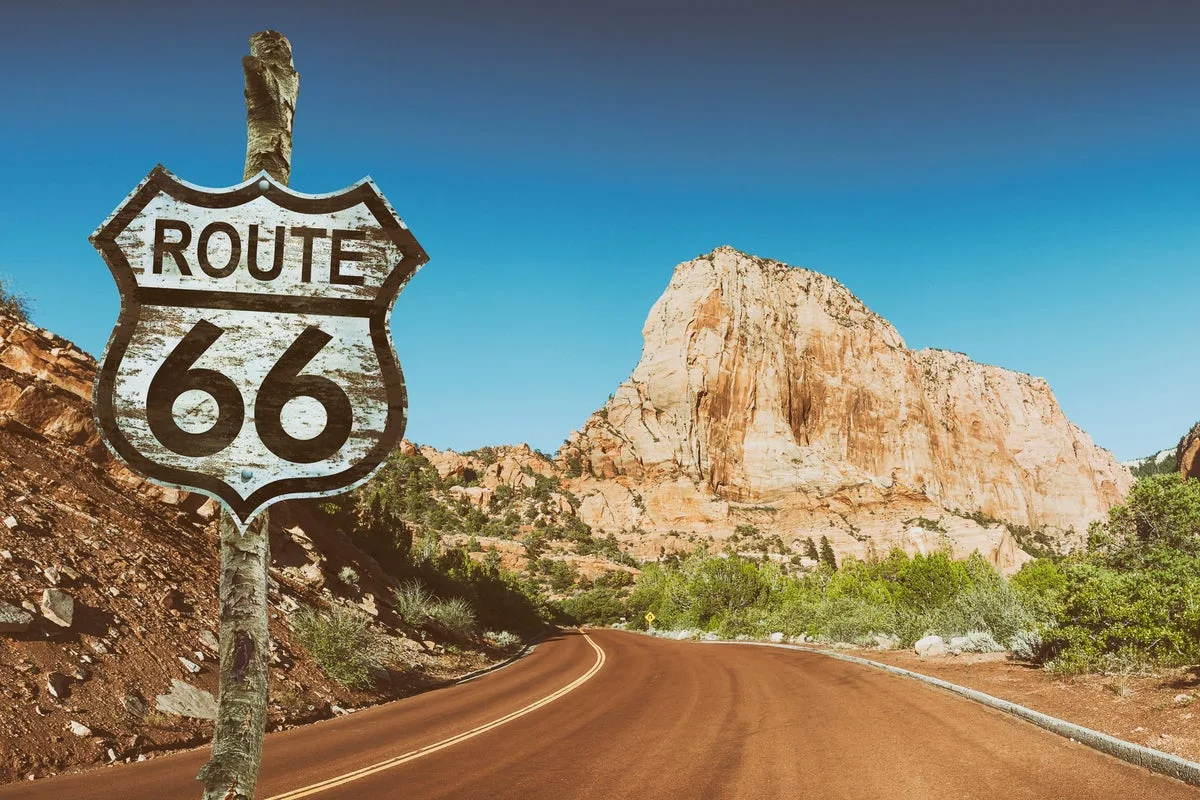
Route 66 Celebrates 100 Years: How to Master the Iconic American Road Trip
As Route 66 commemorates its centennial anniversary in 2026, this legendary highway offers travelers a unique opportunity to experience a slice of American history and culture. Stretching 2,500 miles across eight states from Chicago to Santa Monica, the route has evolved from a practical transportation corridor into a beloved cultural icon. US Travel Editor Ted Thornhill provides expert insights on how to navigate this epic journey, ensuring an authentic and memorable adventure that captures the spirit of the "good old days."
The Legendary Origins of Route 66
Commissioned in 1926 and fully paved by the late 1930s, Route 66 spans Illinois, Missouri, Kansas, Oklahoma, Texas, New Mexico, Arizona, and California. Despite not being the first or busiest highway, it quickly gained legendary status. Its cultural significance was cemented during the Great Depression, when thousands of farmers used it to migrate west for work, a journey immortalized in John Steinbeck's novel The Grapes of Wrath, where he dubbed it the "Mother Road." Post-World War II, as car ownership surged, Americans embraced Route 66 as a gateway to adventure, passing through stunning desert landscapes and iconic neon-lit motels. Even after its decommissioning in 1985, replaced by the Interstate Highway System, Route 66 remained a fixture in popular culture through songs like Bobby Troup's (Get Your Kicks on) Route 66 and numerous road trip films. Today, preservation efforts maintain its historic charm, with the route existing as a patchwork of restored sections.
Starting Your Journey in Chicago
Chicago serves as the traditional starting point for Route 66, offering a historic gateway to the west. The ceremonial beginning is on Adams Street near the Art Institute of Chicago, marked by a modest "Begin Route 66" sign. Before hitting the road, travelers should follow tradition and enjoy breakfast at Lou Mitchell's restaurant and bakery on W. Jackson Boulevard, which has been serving road-trippers since 1923. The menu features classic diner fare, and guests are treated to complimentary donut holes and Milk Duds while waiting. Within an hour of departure, the urban landscape gives way to the unique world of Route 66.
Navigating Route 66: Beware of Digital Maps
Planning your route requires caution, as relying solely on Google Maps can lead to missing key attractions. Route 66 is no longer a continuous highway but a collection of surviving segments interspersed with modern interstates. To experience the most compelling sights, follow the "Historic Route 66" signs, which guide drivers to original sections and quirky roadside stops. This approach ensures you avoid the monotony of interstates and discover the route's true character.
Ideal Timeframes for the Trip
To fully savor Route 66, allocate sufficient time for exploration. An ideal duration is 14 days, allowing for a leisurely pace of 150-200 miles per day, with ample opportunities to visit attractions and stay in vintage motels. A fair alternative is 10 days, though this requires sacrificing some sightseeing, potentially by speeding through eastern sections to focus on the dramatic scenery of New Mexico, Arizona, and California. A seven-day trip is doable but rushed, necessitating careful planning and use of interstates to link highlights. Avoid journeys of four days or less, as they reduce the experience to a grueling marathon, with a drive time of about 40 hours if done non-stop.
Must-See Attractions Along the Way
Route 66 is renowned for its eccentric roadside culture, which emerges shortly after leaving Chicago. Key stops include the Gemini Giant in Wilmington, a 30-foot fiberglass astronaut; Ambler's Texaco Gas Station in Dwight, a beautifully preserved 1930s station; and Cadillac Ranch near Amarillo, Texas, where 10 classic Cadillacs are buried nose-first and covered in graffiti. In Oklahoma, don't miss the cheerful Blue Whale of Catoosa, an 80-foot concrete whale, and in Arizona, explore the ghost town of Oatman, where burros roam and Wild West reenactments occur.
Authentic Accommodations: Vintage Motels
For an authentic Route 66 experience, skip chain hotels and opt for independent motels that capture the nostalgia of the 1940s and 1950s road trip boom. Notable options include the Blue Swallow Motel in Tucumcari, New Mexico, with its preserved neon sign and 1940s decor; the Wigwam Motel in Holbrook, Arizona, featuring concrete teepees and original furniture; and the Boots Court Motel in Carthage, Missouri, offering renovated rooms in a streamline moderne style. These establishments provide a genuine taste of the past, with rates starting from $79 per night.
Celebrating the Finish in Santa Monica
After traversing eight states and nearly 2,500 miles, the journey concludes at Santa Monica Pier, marked by an "End of the Trail" sign. While the signage is modest, the vibrant atmosphere of the pier, with its amusement park and street performers, creates a jubilant finale. A popular ritual involves taking a selfie at the sign, walking to the pier's end to reflect on the journey, and dipping toes in the Pacific Ocean. Due to congestion, it's advisable to park at your hotel and walk to the pier, with the Shore Hotel offering convenient beachfront accommodations.