How Ramadan's Late-Night Chai Culture Could Revive London's Nighttime Economy
On a frigid January evening in London, with temperatures plunging to -2°C, the streets of Piccadilly Circus were eerily quiet. The festive Christmas lights had vanished, replaced by NBA posters heralding the league's return to the capital. By 11:30 pm, tourists had dispersed, leaving only dedicated nightclub enthusiasts huddled around heat lamps or perched on kerbsides, scanning for any venue to prolong the night.
Unlike global hubs such as Tokyo, New York City, or Dubai—where tea houses, 24-hour diners, and cafes cater to late-night socialisers—London presents limited options. Most nights, residents face a stark choice: visit a pub and incur steep drink costs or simply head home. Even the pub option dwindles by 11 pm due to stringent licensing laws enforced by local councils, forcing many venues to cease alcohol service and close early. Without the Tube's 24-hour service on Fridays and Saturdays, London's nights would conclude much sooner, relegating people to binge-watching television under electric blankets.
Ramadan's Transformative Impact on Nighttime Habits
However, one annual event has notably altered after-hours behaviours in recent years: Ramadan. During this month-long period of fasting observed by Muslims worldwide, London undergoes a subtle transformation. Streets adorn "Happy Ramadan" lights, and numerous halal cafes and restaurants adjust their hours, opening just before iftar (the sunset fast-breaking meal) and welcoming customers well past suhoor (the pre-dawn meal).

In predominantly Muslim areas like Edgware Road and around Regent's Park, evenings extend late into the night, with conversations fuelled by cups of chai. This atmosphere mirrors Muslim cultures across the Middle East, South Asia, and Southeast Asia, fostering a vibrant, alcohol-free social scene.
This shift aligns with broader trends, as 43% of young adults aged 18 to 24 now opt for no or low-alcohol alternatives, according to 2026 data. The landscape is evolving, with increasing demand for third spaces not centred on drinking. Since 2020, the UK has lost 32% of its nightclubs, while pubs close at a rate of one per day. Against this backdrop, Ramadan's late-night culture emerges as a promising outlier.
Historical Precedents and Modern Challenges
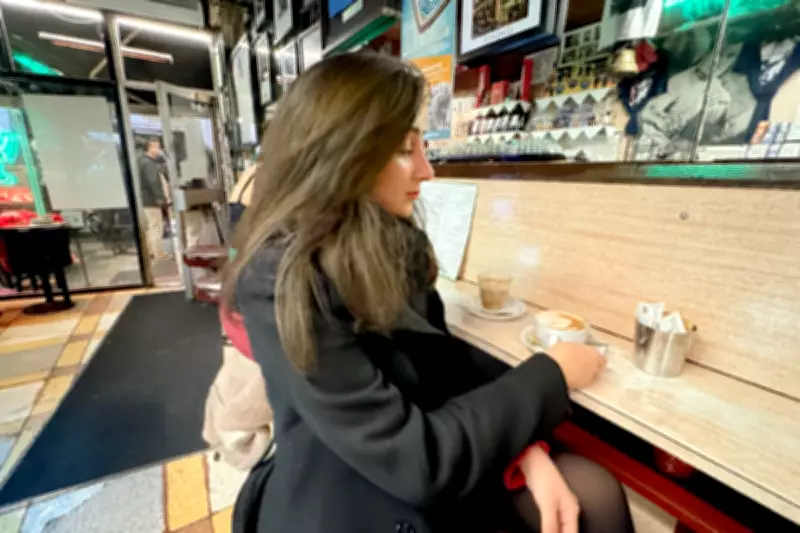
This concept is not entirely new. Bar Italia in Soho, established in 1949, has long thrived as one of the few venues open until 4 am, catering to both drinkers and non-drinkers. A blue plaque outside notes the attic above as the birthplace of television, adding historical charm. Inside, students with open laptops line the counter, while others engage in board games on sofas, illustrating a diverse nighttime clientele.
Such scenes raise critical questions about London's after-dark functionality. Ramadan alone now generates £1.3 billion annually, a figure growing faster than the UK economy, with projections suggesting it could reach £2 billion by 2030. If the city can sustain this model for 30 days each year, why does it struggle to maintain it beyond that period?
Economic and Policy Implications
London's nighttime economy supports over a million jobs and contributes more than £139 billion to the economy, yet it requires strategic action to thrive. A spokesperson for Sir Sadiq Khan, Mayor of London, emphasised this point, noting the recent establishment of a London Nightlife Taskforce. This independent body, comprising representatives from across the capital, produced a report with 23 recommendations, hailed as the most comprehensive evidence base on London's nightlife to date.
The report highlights how nightlife has diversified to include cultural, social, and community activities, with Ramadan serving as a prime example. The Mayor's office is set to receive new strategic licensing powers from the Government, aimed at supporting the hospitality industry and unlocking the potential of London's nighttime economy.

Visit London's Tourism Vision for 2030 further supports this initiative, planning to foster a stronger 24-hour economy through extended opening hours and improved access across neighbourhoods. Rose Wangen-Jones, destination managing director at London & Partners, stated that Ramadan's late-night dining options align with this ambition, offering more opportunities for visitors and residents alike.
Community Initiatives and Future Prospects
In the lead-up to Ramadan, community events like the Ramadan Souk in Aldgate, featuring arts, crafts, workshops, and free food, showcase the vibrant nighttime culture. London Night Cafe, an independent communal space open until 3 am on weekdays and through the night on Fridays, exemplifies alternative venues. Founder Dr. Eric Wycoff Rogers highlighted challenges, such as licensing costs that incentivise alcohol sales, but emphasised the need for imaginative, alcohol-free nightlife options.
At VQ in Bloomsbury, London's first 24-hour diner launched in 1995, diverse groups share the space for various reasons: students revising for exams, night owls winding down, and travellers refuelling before early journeys. This demonstrates how extended hours can meet people's needs at unconventional times, fostering economic growth and community resilience.
Ramadan illuminates a different approach to nighttime enjoyment. In a culturally expansive city like London, extending trading hours isn't merely about staying open; it's about accommodating those who don't drink but still seek social interaction after dark. For businesses, these additional hours could drive economic growth and flexibility, while keeping streets active during typically quiet periods.
Ultimately, Ramadan's late-night chai culture offers a valuable lesson for revitalising London's nighttime economy, promoting inclusivity, and adapting to shifting social preferences.