Ocean Beach Amusement Park: From Thrilling Rides to Retail Reality
Eerily quiet, desolate, and abandoned—these stark descriptions now define what was once a vibrant epicentre of family fun and community spirit in Wales. For over five decades, the Ocean Beach amusement park in Rhyl, North Wales, served as a cherished destination, buzzing with the laughter of visitors enjoying bumper cars, carousels, roller coasters, and spinning tea cups. Today, however, a commercial retail park stands in its place, with only rusting metal remnants and fading memories hinting at its glorious past.
A Seaside Legacy Spanning Generations
The Ocean Beach amusement park operated for 53 splendid years between 1954 and 2007, permanently closing its doors on September 2, 2007. This closure marked a significant loss for the people of Wales, who fondly remembered it as a pillar of their childhoods and a beating heart of the UK seaside town. Its humble beginnings trace back to the 1890s, following Rhyl's rise as a holiday resort after the opening of its railway station in 1848.
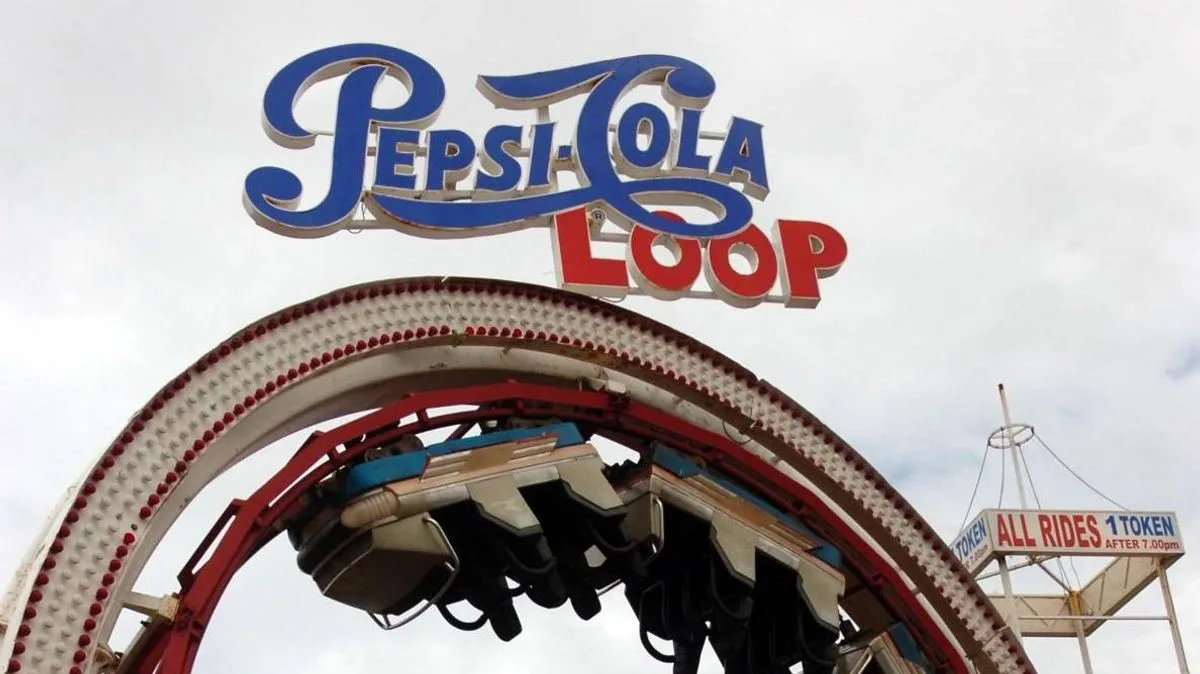
Initially located at Marine Lake, the park attracted thousands annually, leading to a move in 1954 to a larger site at the west end of the promenade to accommodate growing crowds and bigger rides. Ocean Beach gained fame for its tubular steel rollercoaster—the first of its kind in Britain—alongside an iconic 1950s ghost train, a famous jet stream, and a 1930s vintage toy set. It was also home to the world's final surviving circular water chute, with the centrepiece being the towering Pepsi-Cola loop, which dominated the skyline.
The Peak and Decline of a British Icon
During the 1970s, 80s, and 90s, Ocean Beach reached its peak, welcoming throngs of thrill-seekers. However, like many Victorian-era attractions across the UK, it faced a steep decline in popularity as modernisation took hold in the early 2000s. Falling visitor numbers were exacerbated by safety incidents, including a rollercoaster derailment in July 2005 that injured five people—an event described by management as "the first accident in 40 years." This incident damaged the park's reputation, which had previously prided itself on a strong safety record.
By September 2007, with dwindling attendance and reduced viability in the modern age, owners shut down operations after failing to secure substantial investment for new rides. Harold Robinson, Rhyl Amusements Chief Executive, who started working at the park at age 12, expressed sadness, noting that changing holiday habits and high maintenance costs made funfairs at resorts non-viable. He stated, "I think closing it is the right thing to do for the town."
From Decay to Development: The Retail Transformation
Today, the Rhyl funfair site sits hauntingly deserted, existing solely in collective memory. Most rides were left to decay, with photographs showing cherished attractions from its golden era rusting away under Wales' coastal elements. Over the years, numerous redevelopment plans were proposed but never fully realised. A retail, housing, and leisure complex was scheduled to begin construction in May 2009, but plans were postponed and ultimately abandoned.
In 2015, proposals for a retail-only park, Marina Quay, were approved. Shops at the derelict theme park site have opened in stages since 2017, with the entire seafront resort demolished to make way for a brand-new retail park. Stores like ALDI and Greggs now occupy the space, symbolising a stark shift from family entertainment to commercial convenience. This transformation underscores the evolving landscape of British seaside towns, where nostalgia for past amusements gives way to modern retail demands.