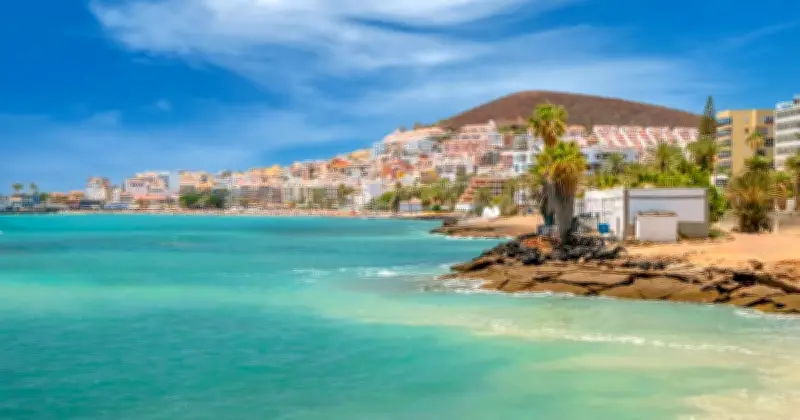
The Canary Islands regional parliament has approved a groundbreaking legal framework for tourist municipalities, promising a major boost in funding and public services for popular holiday destinations. The law, welcomed by the Association of Tourist Municipalities of the Canary Islands (AMTC), formally recognises that busy resorts face distinct challenges compared to standard residential towns.
Historic Approval and Support
Developed with backing from 14 local councils, the legislation aims to improve local services, strengthen public management, and encourage sustainable tourism. AMTC President and Mayor of Adeje, Tenerife, José Miguel Rodríguez Fraga, hailed the approval as a "historic day," noting that the law provides a vital legal framework to secure funding reflecting the true population these areas serve year-round, as reported by Canarian Weekly.
Marco Aurelio Pérez, Mayor of San Bartolomé de Tirajana, Gran Canaria, added that the legislation will finally allow councils to organise public services based on the actual number of people using them, rather than just officially registered residents.
New Tier System for Tourist Municipalities
The law introduces two official classifications. To qualify as a Canary Islands Tourist Municipality of Excellence, local councils must meet strict criteria regarding annual visitor numbers, bed capacity, and presence of high-quality establishments, with tourism accounting for over 15% of the local economy.
Destinations applying for the Canary Islands Tourist Municipality of Singularity category must have at least two unique tourist attractions and demonstrate that tourism makes up over 5% of their local economic activity. Special flexible rules will apply to the smaller islands of El Hierro, La Gomera, and La Palma to ensure they are not left behind due to smaller populations.
Changes for Holidaymakers and Residents
With extra funding and administrative powers, councils will step up local services to cope with tourist pressures. The law mandates improvements in street cleaning, waste management, noise control, environmental monitoring, beach lifeguards, better-equipped tourist information centres, and climate shelters for extreme weather events.
Every recognised tourist municipality must draw up and implement its own local tourism plan, ensuring the islands' busiest hotspots can support the millions of visitors each year.
Context of Rising Tourism and Protests
Prior to the pandemic in 2019, the Canary Islands welcomed 15.1 million visitors, but this figure has since climbed to a record-breaking 17.7 million annual tourists. This explosive growth sparked massive protests across the archipelago, including widespread marches demanding visitor caps and hunger strikes over luxury hotel construction that locals argue is ruining their home.