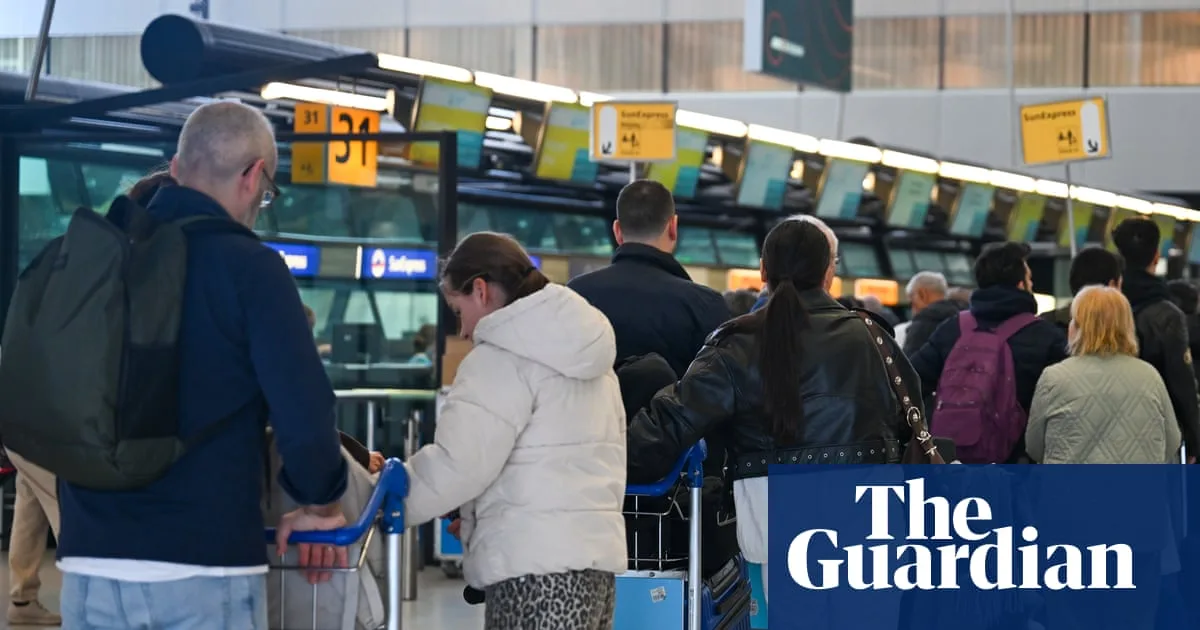
The new EU Entry/Exit System (EES) may not stabilise for up to two years, an official has warned, raising fears of summer travel disruption for British holidaymakers. Uku Särekanno, a director of the EU border agency Frontex, said some member states were struggling to implement the system, which requires non-EU passengers to register fingerprints and facial images at the border.
Särekanno told an event hosted by the UK travel association Abta: 'We expect that the situation will stabilise in one or two years. The most challenging part is the first enrolment, that is the moment where fingerprints and facial images will be taken.' He noted that returning travellers would face faster checks.
The EES was first introduced last October and rolled out fully on 10 April. EU rules allow checks to be suspended at peak periods, but this flexibility is expected to end in September. In May, French police temporarily suspended extra checks at the Port of Dover, while Greece has paused biometric checks for British travellers until September.
Mark Tanzer, chief executive of Abta, warned that the system could hurt demand: 'The rollout of the EU entry/exit system … is creating an unhelpful, and potentially damaging, backdrop for summer travel to EU destinations.' He urged destinations to use contingency flexibility to suspend biometric registration where queues are long.
Bookings have also been affected by the conflict in the Middle East and the rising cost of living. Shaun Morton, chief executive of On the Beach, said consumers were booking later, creating uncertainty. However, he expected the summer travel market to grow overall, with delayed bookings likely to rebound next year.