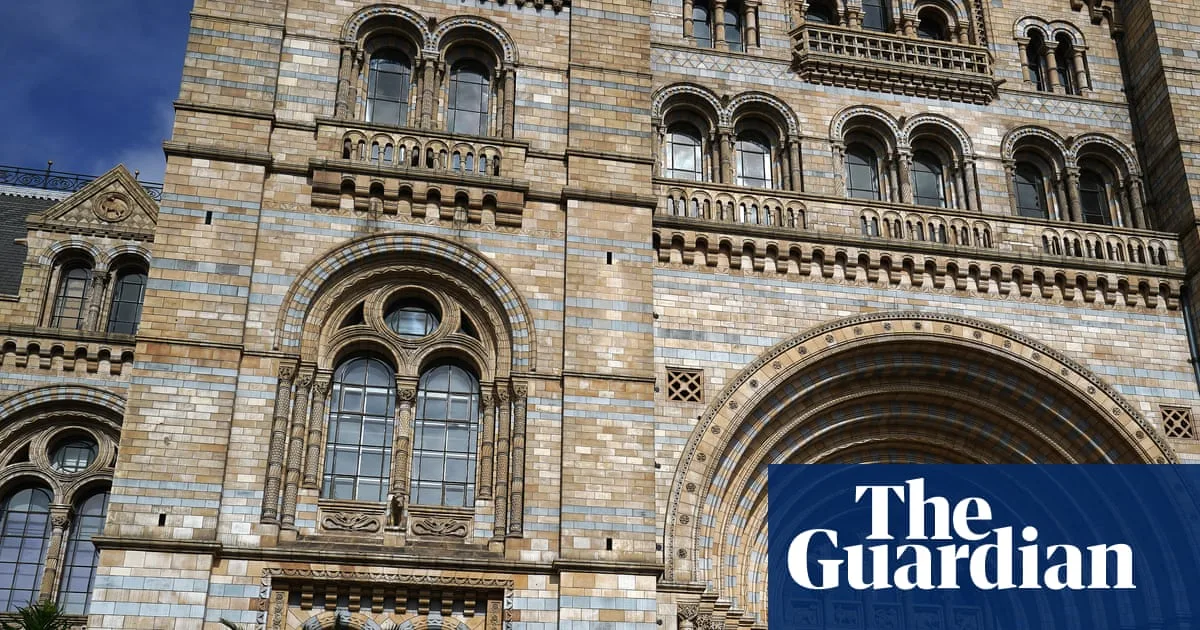
Natural History Museum Crowned UK's Top Tourist Attraction for 2025
Natural History Museum Tops UK Tourist Attractions for 2025

Natural History Museum Overtakes British Museum as UK's Top Tourist Draw

New data from the Association of Leading Visitor Attractions (ALVA) reveals a significant shift in the UK's tourism landscape, with the Natural History Museum in South Kensington, London, claiming the title of the nation's most popular tourist attraction for 2025. This marks a change from the previous two years, when the British Museum held the top spot.

Record-Breaking Visitor Numbers

In 2025, the Natural History Museum welcomed an unprecedented 7.1 million visitors, setting a new annual record for any museum or gallery in the UK. This figure represents a substantial 13 per cent increase from the 6.3 million visitors recorded in 2024. The museum's iconic 25-metre blue whale skeleton, named Hope, suspended in the central hall, continues to be a major draw for guests. Entry remains free, with the museum open seven days a week from 10am to 5.50pm.

Dr Doug Gurr, director of the Natural History Museum, expressed delight at the news, stating, 'These exceptional results reflect our unwavering focus on delivering a fantastic day out for every visitor, as well as the dedication of our colleagues who work tirelessly to create unforgettable experiences and world-class exhibitions.' He highlighted the public's strong appetite for engaging with natural wonders and cultural attractions, noting the museum's commitment to expanding through its NHM150 campaign, which aims to open a new or revitalised gallery annually until its 150th anniversary in 2031.

Wide Pickt banner — collaborative shopping lists app for Telegram, phone mockup with grocery list

Top Attractions Rankings and Trends

The British Museum, which had been the most visited attraction for the past two years, slipped to second place with 6.4 million visitors in 2025, a slight one per cent decrease from the previous year. The Crown Estate, Windsor Great Park, took third place, attracting nearly five million visits despite a 12 per cent drop in tourist numbers. This rural estate spans 15,800 acres and boasts a rich history dating back 1,000 years.

Other notable entries in the top ten include:

  • Tate Modern ranked fourth with 4.5 million visitors, experiencing only a two per cent decline from 2024. Entry is free, though some exhibitions require an additional charge.
  • The National Gallery in Trafalgar Square secured fifth place with 4.1 million visits, a remarkable 29 per cent surge from 2024. It houses over 2,300 paintings.
  • The Southbank Centre and the V&A in South Kensington followed in sixth and seventh places, with 3.4 million and 3.3 million visits respectively.
  • Somerset House, the Tower of London, and the Science Museum rounded out the top ten attractions.

Regional Highlights Across the UK

Beyond London, the ALVA report highlighted key attractions in other parts of the UK:

  • In Scotland, the National Museum of Scotland was the most-visited free attraction, moving to 12th place with 2.3 million visits. Edinburgh Castle remained the top paid attraction in Scotland, seeing a three per cent increase to around two million visitors, placing it 15th overall.
  • In Northern Ireland, Titanic Belfast experienced an eight per cent rise in visitors to 953,554, ranking 35th overall as the region's most-visited attraction.
  • In Wales, St Fagans National Museum of History led with 570,207 visits, securing 77th place.

Insights from Industry Leaders

Bernard Donoghue OBE, director of ALVA, commented on the broader trends, noting, 'Visitor attractions are the places that people prize most and provide the experiences that people, even in a cost-of-living crisis, are most loathe to give up.' He emphasised that in an era of economic uncertainty and high competition, the public is becoming more tactical in their leisure spending, with expectations for quality visits higher than ever.

The report also highlighted other successful venues, such as the Royal Albert Hall, which ranked 17th with 1.7 million visitors, and the London Transport Museum, which had a record-breaking year with 449,599 visitors, its highest total since opening in 1980.

Pickt after-article banner — collaborative shopping lists app with family illustration