

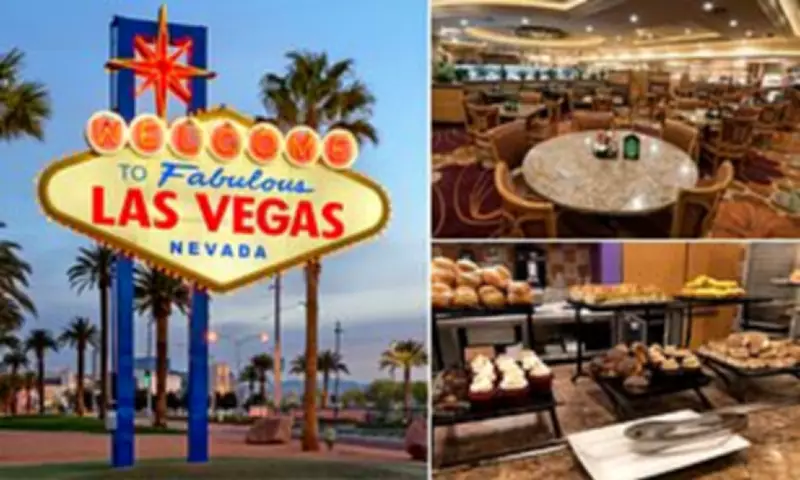
The MGM Grand buffet in Las Vegas, a staple of the city's dining scene for 30 years, has permanently closed its doors, signaling a significant shift in the hospitality industry. This all-you-can-eat venue, known for its lavish spreads and bustling atmosphere, ceased operations recently, leaving many patrons and employees reflecting on its legacy.
End of an Era for Iconic Dining Experience
For three decades, the MGM Grand buffet served as a popular destination for tourists and locals alike, offering a wide array of dishes from international cuisines. Its closure marks the end of an era, as the buffet model has faced increasing challenges in recent years, including changing consumer tastes and economic pressures.
Factors Behind the Closure
Several factors contributed to the shutdown. Shifting consumer preferences towards more specialized or health-conscious dining options have reduced demand for traditional buffets. Additionally, rising operational costs, such as food prices and labor expenses, have made it difficult for such establishments to remain profitable.

The COVID-19 pandemic also played a role, accelerating trends away from shared dining spaces. While the buffet had attempted to adapt with enhanced safety measures, it struggled to regain its pre-pandemic popularity.
Impact on Las Vegas Hospitality Sector
The closure of the MGM Grand buffet is part of a broader trend in Las Vegas, where several buffets have shut down in recent years. This reflects a transformation in the city's hospitality landscape, with casinos and hotels focusing more on upscale restaurants and unique dining experiences to attract visitors.
Employees affected by the closure are being offered opportunities to transfer to other positions within the MGM Resorts International group, though some job losses are inevitable. The company has stated that it is exploring new concepts for the space previously occupied by the buffet.
Future of Buffets in Las Vegas
While the MGM Grand buffet is gone, buffets are not entirely disappearing from Las Vegas. Some establishments continue to thrive by offering premium or themed experiences. However, the traditional high-volume, low-margin buffet model is becoming less common, as operators seek to innovate and cater to evolving consumer demands.
Industry experts suggest that sustainability and quality over quantity are key trends shaping the future of dining in Las Vegas. The closure serves as a reminder of the dynamic nature of the hospitality industry, where adaptation is crucial for survival.






