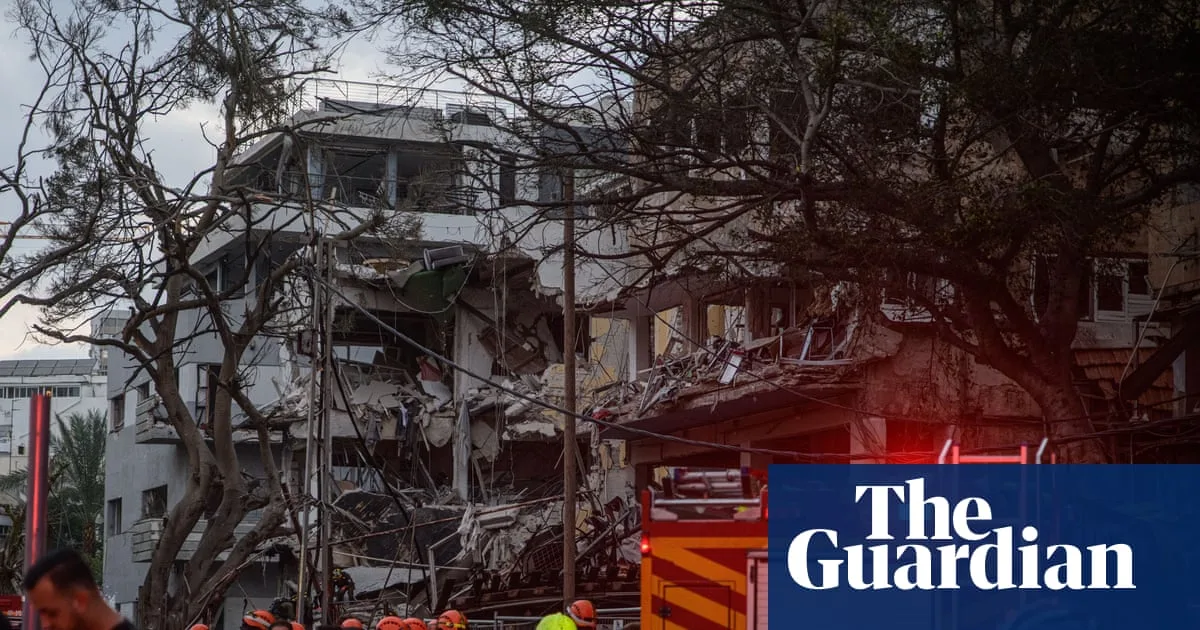
Nearly 2,000 Australians are stranded in Israel and Iran as the escalating conflict between Israel and Iran grounds flights and closes borders. Among them is Melbourne lawyer Leon Zwier, who travelled to Jerusalem for a conference days before airstrikes erupted. With planes grounded, his chances of returning to Australia as planned on Friday appear slim.
Zwier describes a routine divided by day and night. Mornings are spent walking the muted streets, buying nuts and bread from shopkeepers, reminiscent of the Covid lockdown. But after dark, the bombs fall, and he heads to bunkers. 'At night, that’s when the risk emerges,' he says, noting that Iranian missiles are directed at civilian populations.
Jewish Australian Emily Gian, living near Tel Aviv with her husband and three children, describes the past days as 'really intense' and the scariest she has ever experienced. The family keeps shopping trips brief, ready to dash to a bunker at the sound of sirens. Her children attend school via Zoom, mirroring pandemic routines.
The Department of Foreign Affairs and Trade (DFAT) reports 872 Australians registered for help to leave Iran and 1,027 in Israel. Foreign Minister Penny Wong says safety is a priority, and DFAT is working on assisted departures via land and air when safe. However, options remain few: the 2.5-hour car journey to Jordan is risky due to intermittent airspace closures.
Israeli airstrikes have killed at least 224 people in Iran since Friday, while 24 have died in Israel. The Israel Defence Forces claims to have destroyed 200 of Iran’s missile launchers. Despite the danger, Zwier feels safe by following protocols, noting the unusual camaraderie in the bunkers, where strangers bond over shared fear.