

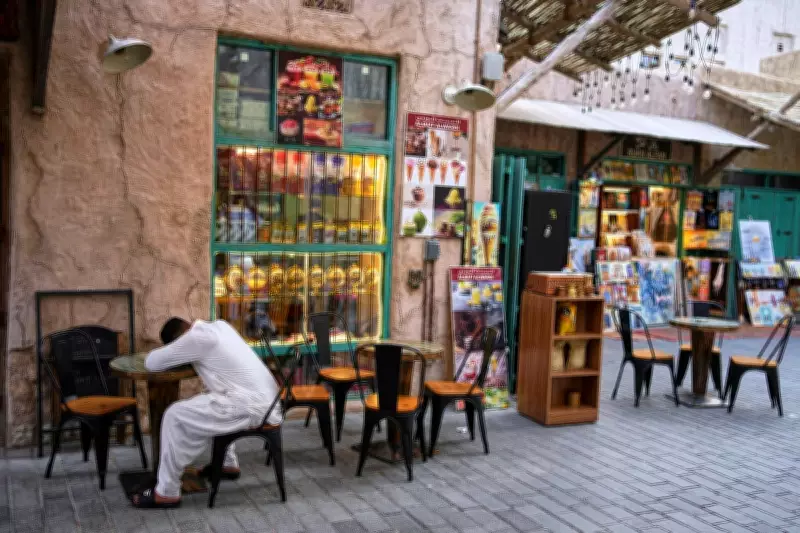
Striking photographs have emerged, documenting the profound impact of the Iran war on Dubai's vital tourism industry. The images, curated by AP photo editors, capture an unprecedented quiet across the city during what is traditionally its peak season.
Empty Promenades and Quiet Beaches
Dubai's typically crowded markets, vibrant beaches, and bustling waterfront promenades now appear unusually deserted. Key tourist areas, including the historic Al Seef waterfront market along Dubai Creek and the beaches adjacent to iconic luxury hotels like the Burj Al Arab, are experiencing a significant drop in visitor numbers.
Regional Conflict Creates Ripple Effects
The spillover from the ongoing Iran war has severely disrupted air travel across the broader Middle East region. Compounding this, Iranian drone and missile attacks targeting sites within the United Arab Emirates have notably tarnished the country's long-standing reputation as one of the safest destinations in the area.

This dual threat of travel instability and security concerns has directly led to a sharp decline in tourist footfall. The photographic evidence clearly shows near-empty traditional markets, restaurant terraces with few patrons, and sparsely visited beaches that would normally be teeming with visitors.
A Sector Under Pressure
The visual documentation underscores how Dubai's entire tourism sector is now feeling the tangible ripple effects of the wider regional conflict. The stark contrast between the expected seasonal bustle and the current reality highlights the economic and social challenges facing the emirate. The sustained quiet in these commercial and leisure hubs signals a period of significant adjustment for businesses reliant on international visitors, as perceptions of safety and accessibility in the region undergo a critical test.






