
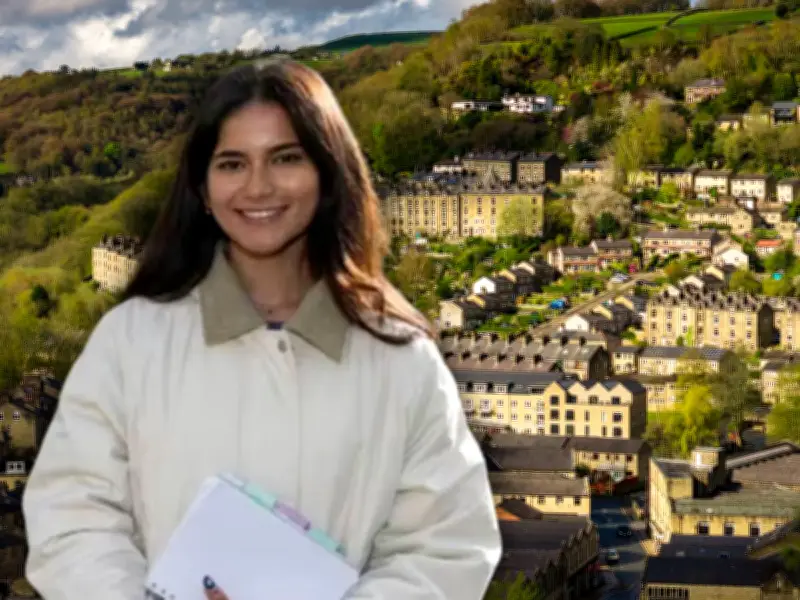
A travel writer visited the tiny town of Hebden Bridge in West Yorkshire, which has been named one of the UK's best places to live, and was pleasantly surprised by its charm and character.
First Impressions of Hebden Bridge
Friends spoke highly of it, travel writers regularly rank it among the UK's best places to live, and it has built a reputation as one of the country's most creative and independent towns. Even so, I wasn't quite prepared for how much I would enjoy spending a day there. Located in the Upper Calder Valley in West Yorkshire, Hebden Bridge has a fascinating history. Once a small settlement where packhorse routes crossed the River Hebden, it grew rapidly during the Industrial Revolution thanks to textile manufacturing and its position on the Rochdale Canal. The arrival of the railway in the 19th century further transformed the town, connecting it to nearby cities and helping it prosper. Today, many of the old mill buildings remain, giving Hebden Bridge much of its distinctive character. But rather than being dominated by its industrial past, the town has reinvented itself as a thriving hub for independent businesses, artists and outdoor enthusiasts.
A Day in the Town
I arrived by train on a bright morning and was immediately struck by the setting. Hebden Bridge is in a narrow valley surrounded by steep hillsides, with rows of traditional stone buildings packed between the river and the slopes above. It's a dramatic setting but the town itself feels welcoming and surprisingly compact. My first stop was a walk along the Rochdale Canal, one of Hebden Bridge's defining features. The towpath was busy with walkers, cyclists and dog owners, while narrowboats drifted slowly through the water. It felt like the perfect introduction to the town, offering a chance to take in both the scenery and the relaxed pace of life.
Full of Independent Shops
From there, I headed into the centre, wandering along Market Street and the surrounding roads. One of the things that stood out most was the number of independent shops. Unlike many town centres, there was little sign of the major chains that have become so common elsewhere. Instead, I found bookshops, bakeries, record stores, galleries and cafés occupying handsome stone-fronted buildings. I stopped for coffee and later picked up lunch from a local bakery before spending time browsing some of the shops. The town was busy without feeling overcrowded, and there seemed to be a strong sense that people were there because they wanted to be, rather than simply passing through.
Heptonstall and the Surroundings
In the afternoon, I made the walk up to Heptonstall, the historic hilltop village overlooking Hebden Bridge. The climb is steep in places, but the views across the valley more than justify the effort. Heptonstall itself is well worth exploring, with its cobbled streets, historic church and connections to the poet Sylvia Plath, who is buried in the churchyard. Back in Hebden Bridge, I spent some time by the river before heading to the station. As I sat watching people come and go, it became clear why the town has attracted so much attention over the years: the combination of history, landscape, community and independence. It manages to feel both lively and relaxed at the same time, while offering easy access to some of the most beautiful countryside in northern England. I've visited plenty of attractive towns across the UK, but few have left me thinking about what it might be like to live there. Hebden Bridge was one of them, and by the time I boarded the train home, I was already planning a return visit.




