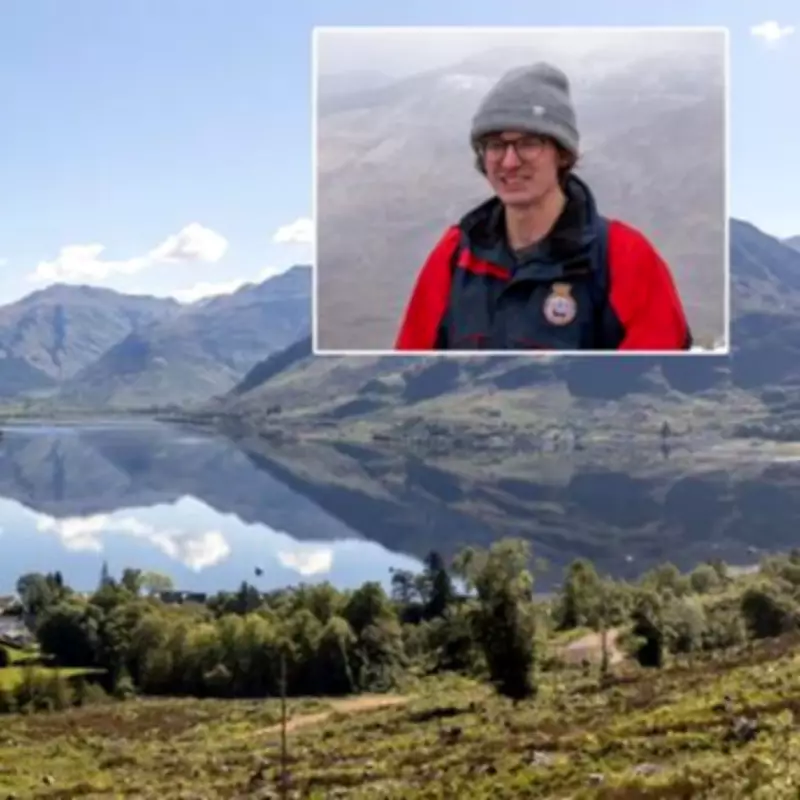
The Met Office has officially designated Glenshiel Forest in Ross and Cromarty, Scotland, as Britain's wettest location below 200 meters, with an astonishing 3,778 millimeters of rainfall recorded annually. This figure dramatically surpasses London's average of approximately 500 millimeters per year, rendering Glenshiel Forest roughly seven times wetter than the capital and about four times wetter than the UK as a whole. Yet, far from being a deterrent, this relentless precipitation contributes to one of the nation's most stunning and captivating destinations.
A Personal Journey Through the Rain
My first visit to Glenshiel Forest occurred at the age of four during a family holiday to the neighbouring village of Glenelg. Those acquainted with Scotland's western coastline understand how weather systems can shift with breathtaking speed. Sunshine and clear blue skies can transform into torrential downpours within moments, prompting a frantic search for waterproof clothing.
Glenshiel Forest elevates this phenomenon to extraordinary levels. Rainfall batters the lush foliage and native trees lining the nine-mile glen with remarkable intensity, only to cease abruptly as clouds disperse above the surrounding peaks, before resuming their assault once more. This cycle creates a dynamic, ever-changing landscape that is both challenging and mesmerising.

Why the Rain Enhances the Experience
All that rainfall results in an exceptionally verdant and pristine environment. The area remains largely untouched by human activity, fostering a wonderfully remote and wild atmosphere. Red deer roam freely among native tree species such as common alder, downy birch, sessile oak, and rowan. This untouched natural beauty offers a rare escape from modern life, making the rain an integral part of the forest's unique charm.
History enthusiasts will find the region equally compelling. The Woodland Trust notes, "There's a powerful sense of history in Glen Shiel, with steep mountains rushing upwards from an historic battlefield where British government forces and an alliance of Jacobite and Spanish troops fought in 1719." Additionally, visitors can access a mountain path to the Five Sisters of Kintail, a classic ridgewalk featuring three Munros—mountains over 3,000 feet (914 meters).
Unforgettable Vistas and Local Charm
For fifteen years, I spent Easter holidays in Glenelg, most easily reached by traversing the stunning 339-meter-tall Ratagan Pass. This route is the only access to the sea-loch side settlement for several months each year when the iconic Glenelg-Skye turntable ferry is not operating. The vista from the summit of Ratagan, overlooking Glenshiel's drenched woodlands in one direction and Glenelg in the other, is utterly unforgettable.
Few experiences compare to cresting the hill after navigating the narrow, serpentine roads and beholding the village's whitewashed cottages dotted along a loch's shore, with remarkably azure waters set against the backdrop of Skye's mountains. Perhaps the only view that surpasses this is the panorama from the Glenelg Inn's garden. Savouring a pint from the local brewery while seated at the Inn's picnic tables, taking in the spectacular scenery—until the heavens inevitably open—is a quintessential Highland experience.
Accommodation Options for Rainy Days
For those preferring to avoid the elements, numerous properties are available for a cosy retreat. Sykes Cottages offers options like Silver Birch Lodge, a six-person cottage available for less than £100 per night. Travelling further north leads to the spacious Old Distillery Lodge, situated in the stunning Caingorns National Park. These accommodations provide perfect bases for exploring the area while staying dry during heavier downpours.
Global Context: The World's Wettest Place
While Glenshiel Forest is exceptionally rainy, it pales in comparison to the world's soggiest area, Mawsynram in India. Nestled in the Khasi Hills, Mawsynram receives about 11,873 millimeters of rainfall annually—nearly 11 times more than Glasgow's 1,109 millimeters. Lifelong resident Jyotiprasad Oza, who guides tourists with TourHQ, notes that about 10,000 visitors come annually, particularly from June to September, to experience the heavy rainfall.

The rain in Mawsynram is unlike most places, often continuing for days without cessation. In one June day last decade, 1,003 millimeters fell—twice London's annual average. This intensity can be devastating, making outdoor activities impossible and sometimes preventing children from attending school. This stark contrast highlights Glenshiel Forest's manageable yet significant rainfall, which enhances rather than hinders its appeal.
In summary, Glenshiel Forest stands as a testament to how extreme weather can create unparalleled beauty. Its status as Britain's wettest location below 200 meters is not a drawback but a defining feature that shapes its lush landscapes, rich history, and breathtaking views. Whether braving the elements or enjoying a cosy cottage, a visit to this Scottish gem promises an unforgettable adventure, rain or shine.