With remote working on the rise and many seeking a new lifestyle, several countries are offering financial incentives to attract residents. From Swiss villages to Greek islands, these schemes provide cash grants, free accommodation, or bonuses to boost dwindling populations.
In Switzerland, the village of Albinen in the canton of Valais offers CHF 25,000 (around £23,000) per adult and CHF 10,000 (around £9,400) per child. A family of two adults and one child could receive more than £26,000, provided they are under 45, commit to living there for ten years, and purchase or build a property worth at least CHF 200,000. Those who leave early must repay the funds.
Ireland's 'Our Living Islands' programme, running until 2033, provides grants of up to €84,000 to renovate empty or derelict properties on remote offshore islands. Applicants must take on homes built before 1993 that have been vacant for at least two years, and use them as a primary residence or long-term rental. The scheme is open to Irish citizens and overseas applicants, with local councils administering the grants.
Greece's island of Antikythera is offering new families a free house, a plot of land, and €500 per month for the first three years. The initiative targets young families and skilled workers such as builders and bakers. Mayor Efstaratios Charcalakis has said the goal is to bring the sound of children playing back to the streets. The island is remote with limited amenities, and many homes need significant renovation.
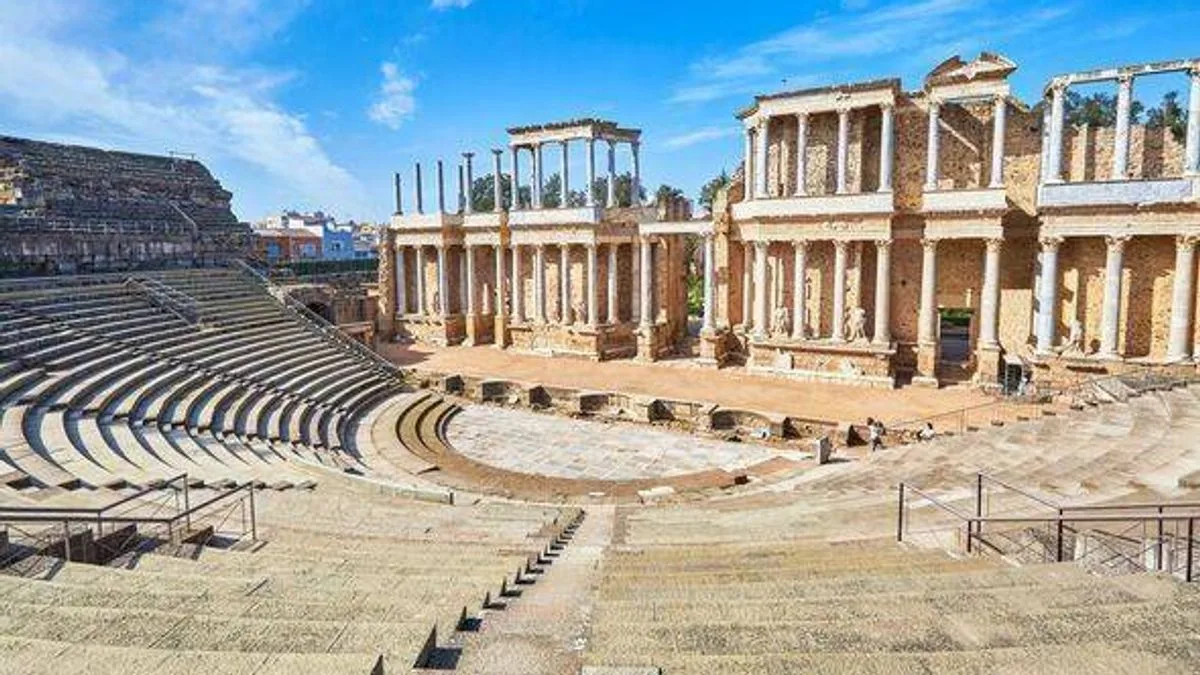
Spain has several regional schemes. Extremadura offers remote workers grants up to €15,000 if they stay for two years. Ponga in the northwest pays around £2,586 (€2,971) per new resident, with extra support for each birth. Rubiá in Galicia gives families €150 per month to support local school attendance. Spain's digital nomad visa also offers reduced corporate tax rates and a residency route for remote workers.