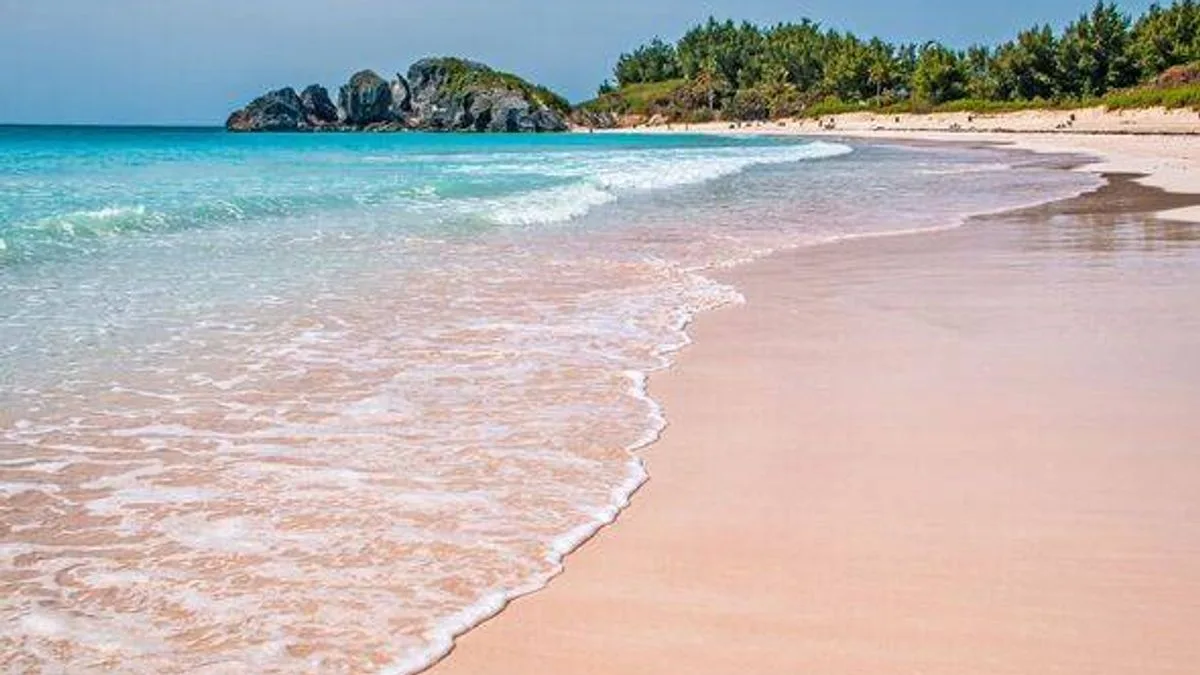
Bermuda, a British Overseas Territory in the Atlantic Ocean, is renowned for its striking pink-sand beaches and hundreds of shipwrecks lying just offshore. The archipelago, home to just over 60,000 residents, is one of nine permanently inhabited British territories, alongside the Cayman Islands, Gibraltar and the Falklands.
The distinctive pink hue of Bermuda's beaches is created by microscopic red sea organisms called foraminifera, which mix with white sand to produce a soft rosy glow. Horseshoe Bay is the most famous shoreline, but visitors can also admire pink sand at Elbow Beach, Warwick Long Bay and Church Bay.
The island has earned the title "shipwreck capital of the Atlantic", with approximately 300 vessel remains beneath its coastal waters, some dating back centuries. Divers and snorkellers from around the world explore well-known wrecks such as the Cristobal Colon, Constellation and Montana.
Bermuda welcomed over 700,000 visitors in 2024, according to the Bermuda Tourism Authority, with most arriving by cruise ship. Beyond the beaches, attractions include the UNESCO-listed town of St George's, the vibrant capital Hamilton, the National Museum of Bermuda, and numerous forts, caves and gardens. Water sports such as kayaking, paddleboarding and sailing are also popular.
Settled by English colonists in 1609, Bermuda boasts a cultural blend of British, African and Caribbean influences. Despite its popularity, the territory has avoided mass tourism, remaining tranquil and pristine across its compact 21 square miles.