The Blame Game: Who Pays When Airlines and Travel Agents Point Fingers?
In the complex world of air travel, passengers often find themselves caught in a frustrating blame game between airlines and online travel agents (OTAs). This issue came to light recently with the curious case of Tony Wheeler, co-founder of Lonely Planet, who experienced a downgrade on an Air Algerie flight and struggled to secure a refund from either party.
The Curious Case of Tony Wheeler’s Downgrade
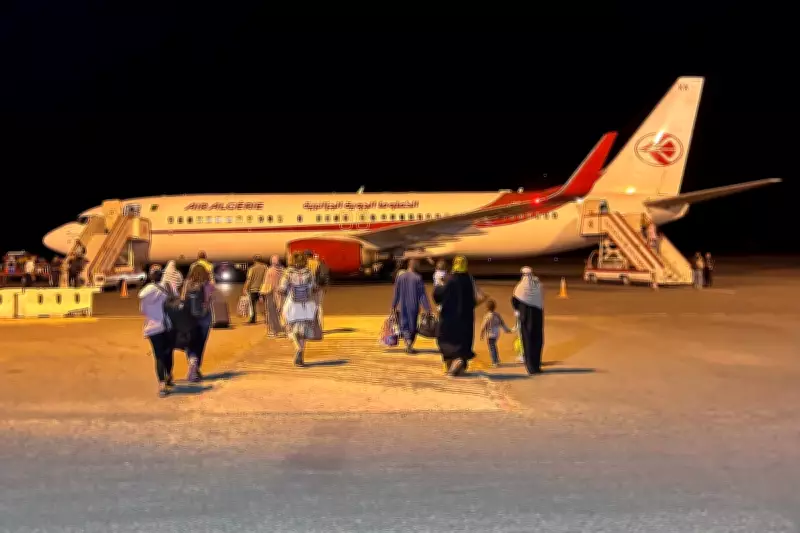
Tony Wheeler attempted to book a business class ticket on Air Algerie from Algiers to London Stansted late last year, opting for the higher fare to ensure a smooth transfer from a domestic flight. However, Air Algerie’s systems would not sell him the ticket directly. Instead, he turned to Booking.com, which facilitated the purchase at a cost of £420 more than economy class.
During the journey, Air Algerie substituted the aircraft with an all-economy plane, effectively downgrading Wheeler’s booking. While he was initially relieved, expecting a refund for the price difference, this hope quickly faded when both the airline and the OTA refused to take responsibility.

Passing the Buck: A Systemic Issue
Air Algerie responded to Wheeler’s refund request by stating that their service only handles tickets purchased directly through their website, directing him to contact Booking.com. In turn, Booking.com acknowledged the downgrade but claimed they had no control over the booking, advising Wheeler to approach the airline directly. They even closed the email case, preventing further communication.
This blame game left Wheeler in a difficult position, with neither party willing to address the issue promptly. It underscores a broader problem in the travel industry, where passengers can fall through the cracks when disputes arise between intermediaries and service providers.
Why Use Online Travel Agents?
Despite such challenges, OTAs offer several advantages. They often provide cheaper long-haul fares than airlines themselves, thanks to commissions that carriers pay to compete for price-sensitive customers. Additionally, OTAs can assemble connecting itineraries that airlines won’t sell directly, as seen when Simon Calder used Trip.com to book a Virgin Atlantic and Delta combo for a trip to meet Tony Wheeler.
In other cases, OTAs help when airline systems fail, such as when Jetstar of Australia couldn’t sell a Singapore-Melbourne ticket from the UK, but MyTrip.com could. However, these benefits come with risks, as highlighted by Wheeler’s experience and Calder’s own flight cancellation issue, which took weeks to resolve.
The Resolution and Industry Implications
After intervention, Booking.com eventually refunded Wheeler the downgrade amount as travel credit, calling it an exceptional gesture of goodwill. They noted that, under standard procedure, the airline should have been responsible, but Air Algerie remained unresponsive to multiple contact attempts.
This incident raises questions about dual-pricing in aviation, where seats are often cheaper through OTAs despite their cut. Passengers might avoid OTAs due to habit, ignorance of savings, or previous bad experiences, such as difficulties with refunds or cancellations. For instance, some prefer booking directly with airlines like British Airways or Virgin Atlantic for their 24-hour cancellation policies.
Looking Ahead: Accountability in Travel
The travel industry must address these accountability gaps to protect consumers. As Air Algerie expands its UK services to Manchester this summer, improving customer service and communication will be crucial. Passengers should be aware of their rights and the potential pitfalls when booking through intermediaries.
In summary, while online travel agents offer valuable services, their relationship with airlines can lead to blame-shifting that harms passengers. Clearer policies and better cooperation are needed to ensure fair treatment for all travelers.