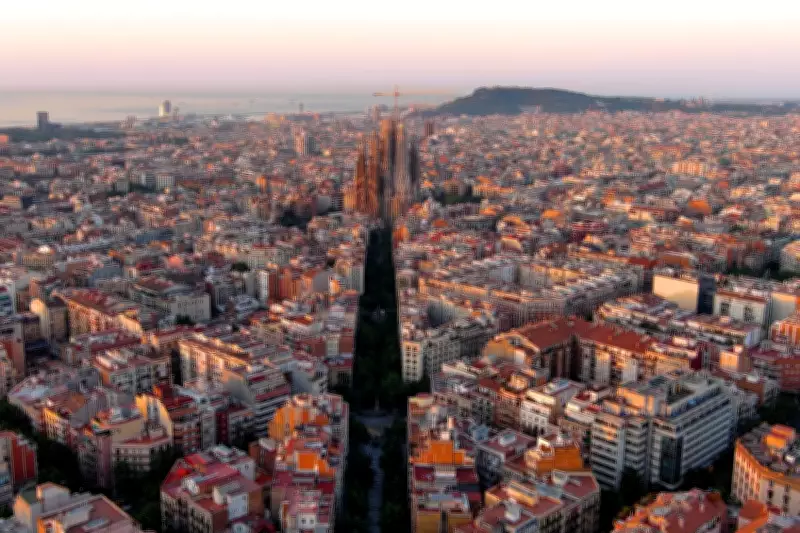
Barcelona is set to impose one of the highest tourist taxes in Europe, with visitors potentially facing charges of up to €15 (£13) per night. This significant increase, approved by authorities in Catalonia, aims to reduce visitor numbers and generate funds for affordable housing projects. The decision follows growing protests from local residents who argue that excessive tourism, driven by short-term holiday lets, is inflating housing prices.
Details of the Tax Increase
Under the new regulations, the regional parliament of Catalonia has doubled the tax for guests staying in holiday rentals, raising it from €6.25 to a maximum of €12.50 per night. This change precedes a previously announced plan to ban all short-term rental accommodation by 2028. Starting in April, hotel guests will also see a substantial rise in charges, paying between €10 and €15 per night, up from the current range of €5 to €7.50, depending on the hotel's category.
Impact on Visitors and Revenue Allocation
A two-night stay for a couple at a four-star hotel, which constitutes nearly half of all hotels in Barcelona, could now incur an extra €45.60, as the local authority can charge up to €11.40 per night per person. Guests at five-star hotels may face charges of up to €15 per night, while cruise passengers will continue to pay around €6. According to the law, a quarter of the revenue generated will be directed toward addressing the city's housing crisis.

Reactions from Tourists and Locals
Irene Verrazzo, a 33-year-old nurse from Italy, expressed concerns about the added expense, stating that Barcelona was already very expensive and she doubted she would return. "I don’t think this added expense is fair. They already make money from tourists spending in shops, visiting their monuments, etc," she said. In contrast, Ivan Liu, a 21-year-old student and local resident, noted that while the higher tax was unlikely to solve the housing crisis, the hike seemed reasonable.
Concerns from the Hospitality Industry
Hotel owners are worried that the tax increase could deter many of the approximately 15.8 million tourists who visit Barcelona annually. The city ranks among the top four globally for conventions, according to the local tourism board, and attendees will not be exempt from the levy. Manel Casals, general director of Barcelona's hoteliers' group, criticized the decision, saying proposals to raise the tax gradually to monitor its effects were ignored. "One day they will kill the goose that lays the golden eggs," he warned.
European Context and Future Implications
Before this tax raise, Barcelona ranked 11th in holiday-rental platform Holidu's 2025 list, behind Amsterdam, where tourists paid the most in Europe at €18.45 per day. The move positions Barcelona among the highest tourist taxes in Europe, reflecting broader trends in cities grappling with overtourism and housing affordability issues. As the city implements these measures, it remains to be seen how they will impact visitor numbers and the local economy in the long term.