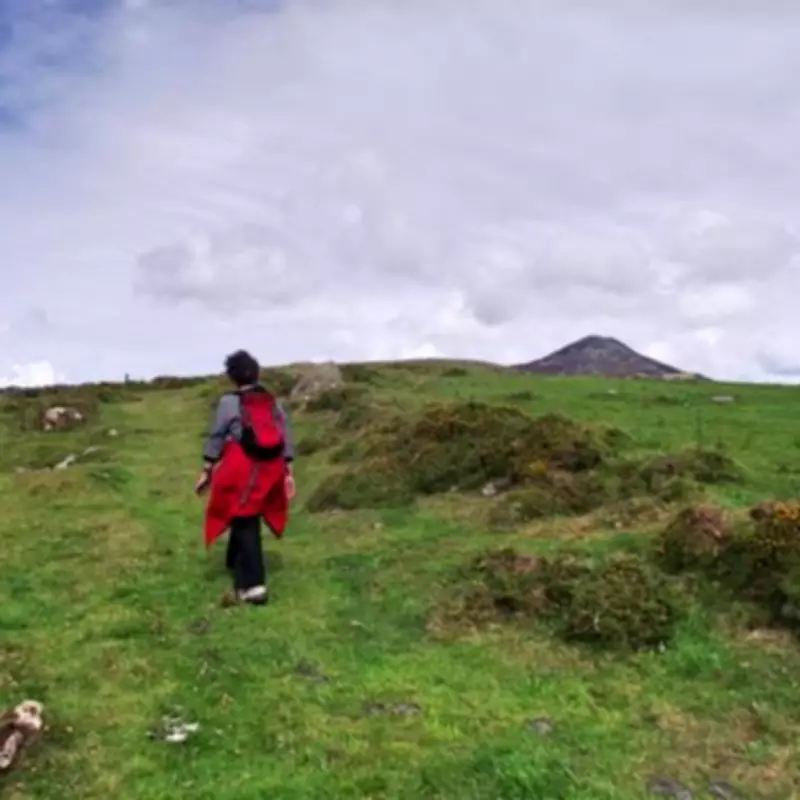
The isolated quarry village of Nant Gwrtheyrn, nestled between the Irish Sea and the Eifl mountains in Wales, was once a thriving community before falling into abandonment. Today, it has been given a remarkable new lease of life as a beloved Welsh language centre, standing at the forefront of campaigns to revitalise the Welsh language.
A Thriving Mining Heritage Frozen in Time
Nant Gwrtheyrn's quarry launched operations in 1861, adjacent to Porth y Nant. For decades, the remote community's existence centred around extracting and transporting Nant Gwrtheyrn stone for road surfacing. Materials were primarily dispatched via the Irish Sea, resulting in scant interaction with the wider world, which contributed to the village's isolated and timeless character.
The Abandonment and Desolation
When demand plummeted during the early stages of World War Two, the quarry closed, abandoning the local community to desolation. The worldwide conflict brought production to a complete standstill. The villagers left, and their homes fell to ruin. Apart from a brief spell in the 1860s when a handful of outsiders attempted to rejuvenate the settlement, the village stood deserted for years, becoming a forgotten relic of Wales' industrial past.

Stepping Back in Time
Visitors can now step back in time to the era when quarry labourers lived in the local cottages by exploring the meticulously recreated quarryman's cottage. This dwelling and all its contents have been restored to demonstrate how a quarryman and his family would have existed in 1910, offering a tangible connection to the village's mining heritage.
Transformation into a Language Centre
Subsequently, the location received an injection of funding that led to the construction of a new school. This was eventually taken over by a local trust, spearheaded by Dr Carl Clowes, who established it to create a Welsh language centre. This visionary move transformed the abandoned site into a hub for cultural preservation and education.
Ancient Neighbours: Tre'r Ceiri Hillfort
Close by stands Tre'r Ceiri, among Wales' most impressive ancient sites. Initially documented by Thomas Pennant, the renowned author of 'Tours of Wales', this represents some of the earliest archaeological proof of existence within the Iron Age hillforts scattered across the elevated terrain surrounding Nant Gwrtheyrn. Both Tre'r Ceiri and Yr Eifl saw habitation from 150 BC through to 400 AD, relying substantially on locally sourced iron, which was traded and exported.
Visitor Experiences and Acclaim
Visitors have praised Nant Gwrtheyrn for its tranquillity and historical significance. One reviewer on Trip Advisor described it as a "fabulously tranquil place", spending hours walking and enjoying the peace while finding the history fascinating. They sampled tasty cakes in the cafe and highly recommended a visit, noting they would certainly return.
Another visitor called it a "beautiful place", with the Welsh Language Centre's story behind the revival of the village being inspirational. They remarked that the vision of a local doctor and the surrounding communities is worthy of a Hollywood film, with breathtaking views and a steep but worthwhile road down. The cafe received praise for good quality produce and full-flavoured coffee, with indoor seating allowing dogs, and friendly, welcoming staff.
Nant Gwrtheyrn's journey from a forgotten quarry village to a vibrant cultural centre showcases the resilience of Welsh heritage and the power of community-driven revitalisation efforts.