2026: The Ultimate Year for Gorilla Encounters in Uganda's Bwindi Forest
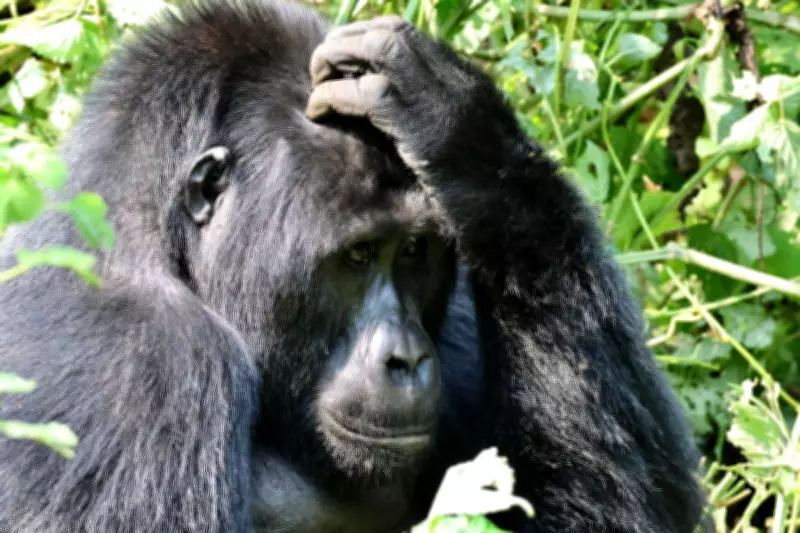
The Bwindi Impenetrable Forest in Uganda has emerged as one of the most accessible destinations to witness the endangered mountain gorilla species in their natural habitat. As journalist Bella Falk recounts, an unforgettable trek through this lush landscape offers a rare and intimate glimpse into the lives of these magnificent creatures.
A Close Encounter with Nature's Giants
Gorillas demonstrate little concern for human privacy, as Falk discovered during a bathroom break that was abruptly interrupted by the arrival of a gorilla family. Guided by expert Asif Cherubet through challenging terrain of mud and dense vegetation, the group received radio confirmation that trackers had located their target family nearby. This spontaneous encounter highlighted the unpredictable and thrilling nature of gorilla trekking adventures.
Conservation Success Story
According to the most recent 2018 census, only 1,063 mountain gorillas remain in the wild, exclusively inhabiting this East African region. Approximately 600 reside in the Virunga Mountains spanning Uganda, Rwanda, and the Democratic Republic of Congo, while the remainder call Uganda's southwestern Bwindi highland forest home. A new population count is currently underway, with results anticipated in 2026 that are expected to reveal positive growth.

"During the Covid pandemic, many gorilla babies were born," explained guide Said Katungi. "Therefore, the population numbers are likely to show a significant increase." This represents a remarkable recovery from the 1980s when the species dwindled to merely 250 individuals due to disease, poaching, and habitat destruction. Their conservation status has improved from Critically Endangered to Endangered on the IUCN Red List, marking a precarious yet meaningful victory for dedicated conservation efforts.
Affordable Accessibility Compared to Regional Alternatives
Uganda presents a more economical option for gorilla encounters compared to neighboring Rwanda. While Rwandan treks command prices exceeding £1,000 per person, Uganda offers similar experiences for approximately £600. Enhanced accessibility arrived in May with Uganda Airlines launching direct flights from London Gatwick to Entebbe, significantly reducing travel barriers for international visitors seeking this unique wildlife experience.
Luxury Accommodations and Community Integration
Falk's journey was facilitated by WildPlaces Africa, a conservation-focused, family-owned company operating six luxury properties across Uganda's most pristine environments, with a seventh scheduled to open in early 2026. Her itinerary included stays at Papa's Camp in Murchison Falls National Park and the sophisticated River Station Lodge in Queen Elizabeth National Park, where wildlife viewing occurred directly from the premises.
The culmination was Clouds Mountain Lodge, situated at 2,000 meters on the edge of Bwindi National Park with breathtaking views of the Virunga volcanoes. This establishment resembles a Scottish Highlands retreat transplanted into tropical surroundings, featuring private stone cottages, inviting fireplaces, and comfortable lounging areas. Crucially, Clouds operates as a community partnership established two decades ago with the African Wildlife Foundation and local residents.
"A nightly guest levy directly funds local schools, a health center, and an innovative buffer zone," explained WildPlaces Africa owner Johnny Wright. "This 12-kilometer tea plantation prevents gorillas from raiding farmers' crops since gorillas dislike tea. The arrangement protects gorillas, provides additional income for locals, and has generated over £1.5 million for conservation and community initiatives."
Historical Context and Modern Techniques
This conservation success traces back sixty years to 1966 when pioneering researcher Dian Fossey began habituating wild gorillas to human presence. During that era, populations were collapsing due to conflict and poaching, with adults killed for trophies and infants sold to zoos. Today, Fossey's legacy ensures gorillas hold greater value alive than deceased, with tourism directly funding conservation while supporting Uganda's lesser-visited national parks.

During Falk's encounter with the Posho gorilla family, silverback Magara observed visitors from mere meters away with striking amber eyes. The group displayed relaxed behaviors reminiscent of a family gathering, with teenager Bucyenura lounging on flattened ferns and six-year-old Rutakara snacking on leaves in a nearby tree. Visitors typically enjoy one hour with the gorillas, though Bwindi also offers an extended Gorilla Habituation Experience spanning four hours, where participants shadow rangers working with semi-habituated families to learn tracking, nest identification, and behavioral mimicry techniques.
Practical Information for Travelers
WildPlaces Africa provides comprehensive eight-night gorilla trekking packages starting from £6,654 per person, including accommodation, game drives, park fees, domestic flights, and overland transfers. International flights and the £605 gorilla trekking permit are additional expenses. Uganda Airlines operates direct flights from London Gatwick to Entebbe four times weekly, with return fares beginning around £850. From Entebbe, travelers can opt for a one-hour internal flight to Kisoro followed by a brief road transfer, or undertake a scenic eight to nine-hour drive directly to the region.
Clouds Mountain Gorilla Lodge, located just ten minutes from the Nkuringo trailhead, offers private cottages starting at £733 per night full-board for two adults, with peak season rates reaching £1,225. For more budget-conscious travelers, Rushaga Gorilla Lodge provides rooms from £83 per night including breakfast, situated approximately forty minutes from Nkuringo and serving as the departure point for Gorilla Habituation Experience excursions.