

World Cup Travel Chaos Looms as US Airport Shutdown Sparks Staffing Crisis
Football fans planning to travel to the United States for this summer's FIFA World Cup are bracing for significant disruption, as a prolonged government shutdown threatens to create a dire situation at the nation's airports. Top transport officials have warned Congress of a potential perfect storm, combining severe shortages of frontline security staff with the arrival of millions of supporters for the tournament, which kicks off in June.
Staffing Shortages and Unpaid Workers
Ha Nguyen McNeill, the acting head of the Transportation Security Administration (TSA), informed a US House committee that more than 480 officers have resigned since the budget stand-off began in mid-February. This shutdown has left tens of thousands of federal workers without pay, leading to a spike in staff absences as many cannot afford to report to work. McNeill emphasized that the ongoing crisis is depleting the agency of talented and experienced employees, who are seeking other jobs that offer steady paychecks.
Record Delays and Safety Concerns
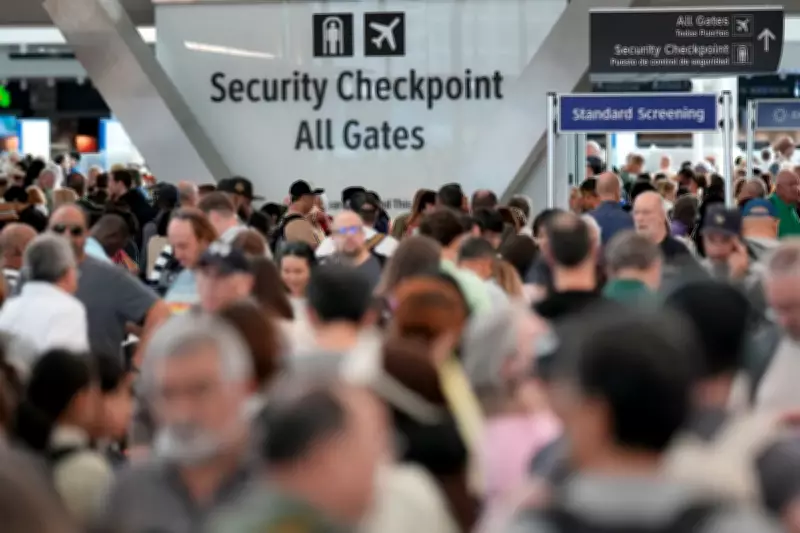
The staffing crisis has already resulted in record-long queues at security checkpoints, with passengers at some airports waiting over four hours to clear screening. Compounding the issue, there has been a sharp rise in assaults on TSA staff, further straining an already overwhelmed workforce. McNeill highlighted that newly hired officers require four to six months of training before certification, meaning they will not be operational in time for the World Cup, exacerbating the dire situation.

Political Standoff and Humanitarian Impact
The shutdown stems from a political impasse, with Democrats blocking Homeland Security funding to demand reforms to controversial immigration operations, following the fatal shootings of Renee Good and Alex Pretti in Minneapolis by federal agents. A Democratic proposal to fund the TSA while negotiating Immigration and Customs Enforcement (ICE) reforms has been rejected by Republicans. Meanwhile, staff are facing severe hardships, including missed bill payments, eviction notices, car repossessions, and drained retirement savings, with some resorting to sleeping in cars or selling blood to make ends meet.
Government Response and Future Outlook
In response to the crisis, US President Donald Trump has deployed federal immigration agents to assist the TSA and indicated that National Guard troops could be mobilized. However, with less than 80 days until the World Cup, McNeill warned that the combination of staffing shortages and an influx of millions of passengers poses a significant risk to airport operations and national security. The situation underscores the broader debate over federal worker pay and the urgent need for a resolution to prevent travel chaos during one of the world's largest sporting events.






