Waymo's Driverless Taxis Face Scrutiny During San Francisco Super Bowl
Waymo Driverless Taxis Under Scrutiny at San Francisco Super Bowl

Waymo's Driverless Taxis Face Operational Hurdles During San Francisco Super Bowl

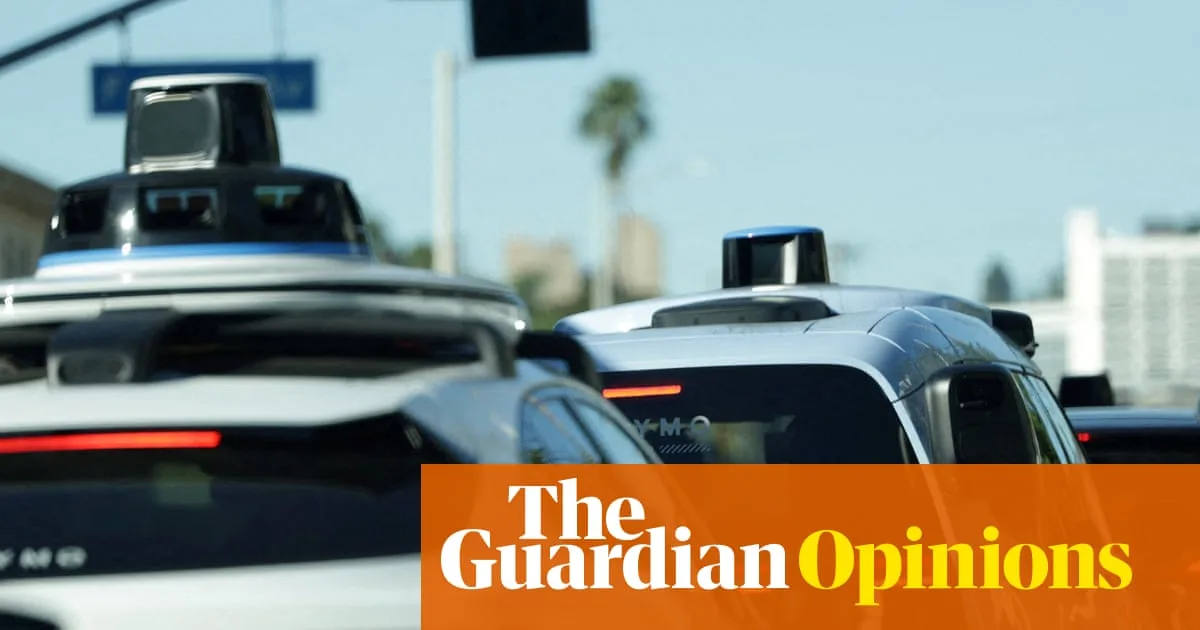
During the recent Super Bowl event in San Francisco, Waymo's fleet of driverless taxis encountered significant operational challenges, sparking widespread public and regulatory scrutiny. The autonomous vehicles, designed to navigate urban environments without human intervention, struggled with the increased traffic and complex logistics of the major sporting occasion, leading to delays and safety concerns among passengers and local authorities.

Public Backlash and Safety Incidents

Reports from the event highlighted multiple incidents where Waymo taxis caused traffic disruptions or failed to respond appropriately to dynamic road conditions. Eyewitnesses described vehicles hesitating at intersections or blocking emergency routes, exacerbating congestion in an already crowded city. This has fueled a backlash from residents and visitors, who expressed frustration over the technology's reliability in high-stakes scenarios.

Local officials have called for immediate reviews of Waymo's operational protocols, citing potential risks to public safety. The incidents have reignited debates about the readiness of autonomous vehicles for widespread deployment in dense urban areas like San Francisco, where unpredictable events are common.

Regulatory and Industry Implications

The Super Bowl disruptions come at a critical time for the autonomous vehicle industry, as companies like Waymo push for expanded commercial services. Regulatory bodies are now reassessing approval processes, with some advocating for stricter testing requirements before granting further permits. This could slow down the rollout of driverless taxis in other cities, impacting investment and innovation in the sector.

Industry analysts note that while autonomous technology holds promise for reducing accidents and improving mobility, high-profile failures can undermine public trust. Waymo has acknowledged the issues and pledged to enhance its systems, but the episode underscores the ongoing challenges of integrating AI-driven transport into everyday life.

Future Prospects for Autonomous Urban Transport

Looking ahead, the San Francisco Super Bowl serves as a cautionary tale for the future of driverless taxis. Experts suggest that more rigorous stress-testing in varied conditions is essential to ensure safety and efficiency. As cities worldwide consider adopting similar technologies, this event highlights the need for balanced approaches that prioritize public welfare alongside technological advancement.

In summary, Waymo's experience during the Super Bowl reveals persistent gaps in autonomous vehicle performance under pressure, prompting calls for improved regulations and public engagement to foster safer, more reliable urban transport solutions.