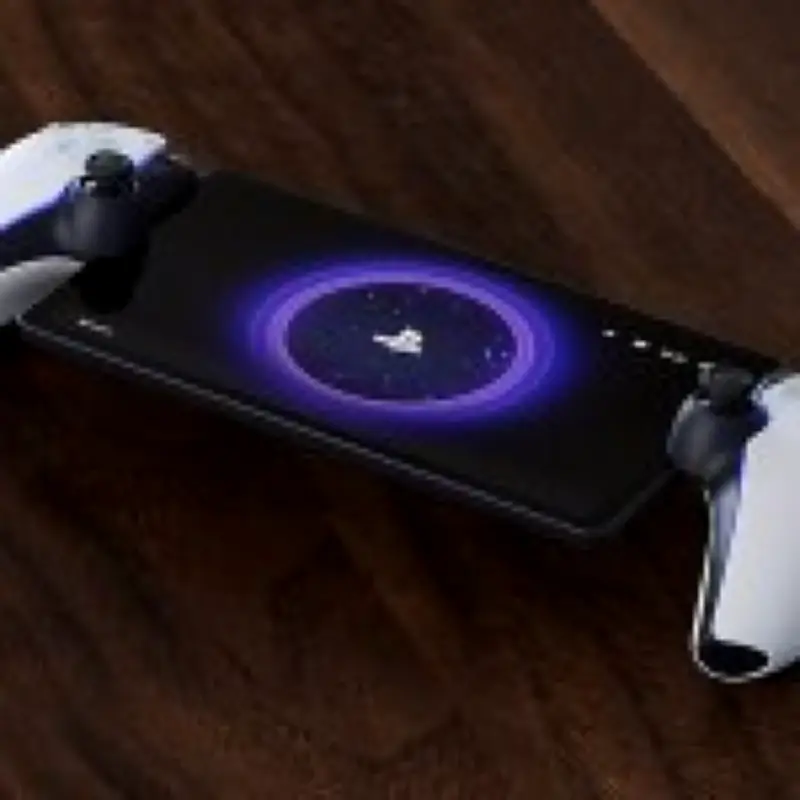
Sony Interactive Entertainment CEO Hideaki Nishino has confirmed that the PlayStation 6 will go “beyond the living room,” hinting at a portable component for the next-generation console. In a newly published Q&A with investors, Nishino addressed questions about the console’s design, pricing, and AI integration, sparking speculation about a handheld offshoot.
Portable Future for PlayStation
Nishino’s comments come amid persistent rumours that Sony is developing a handheld device to accompany the PS6. The exact form factor remains unclear, with possibilities ranging from a streaming-only device like the PS Portal to a standalone system akin to the PS Vita or a hybrid similar to the Nintendo Switch. “PlayStation has long been strongly associated with the idea of playing in the living room,” Nishino said. “However, in recent years, more users globally have been using personal monitors. In response, we are selling peripherals such as monitors and speakers to break away from the fixed perception that ‘PlayStation equals the living room’ and to broaden usage scenarios.”
Pricing Concerns and Component Costs
Nishino also addressed pricing for the PS6, implying that the console will be expensive due to rising component costs. “As for pricing, it is not realistic for us to absorb all component cost increases, and we have already implemented some price increases outside Japan,” he added. “As a principle, we do not intend to sell hardware at significant losses.” According to rumours, the raw materials for the PS6 already cost approximately £730, excluding manufacturing, marketing, and other expenses. Analysts suggest that this could push the retail price towards £1,000 in the UK.
AI Integration in Development and Fraud Prevention
Nishino outlined Sony’s plans for AI in both game development and platform security. AI engines are currently being used to detect fraudulent activities on the PlayStation Store, where transaction volumes are enormous. “When fraudulent activities result in refunds, the financial impact can be very significant,” he explained. “Currently, AI engines are being used to assess transaction reliability with a high degree of sophistication, contributing to the prevention of fraud.” In game development, Sony is using AI for placeholder assets, including synthetic voices, to speed up iteration and improve quality. Nishino emphasised a push for “AI-first initiatives,” while remaining realistic about short-term gains. “This is less about cost efficiency and more about improving quality and development speed,” he said.
Market Context and Release Timeline
Despite the memory crisis affecting the industry, Sony’s PS6 is still expected to launch in 2027. The console will face stiff competition from PC gaming and other platforms, but Nishino expressed confidence in PlayStation’s unique value proposition. “For the next generation platform, rather than simply serving as an alternative to PCs, we aim to deliver value that is unique to PlayStation,” he stated. The company is carefully monitoring the market and evaluating its pricing strategy to ensure customers understand the value offered.