

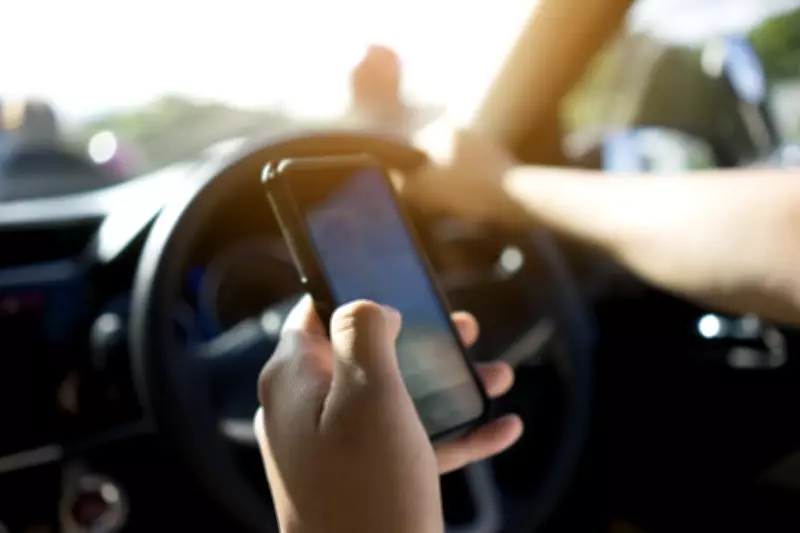
Experts Warn of New Distracted Driving Epidemic: Video Streaming Behind the Wheel
As watching videos, using touchscreens, and even livestreaming while driving become more common, safety experts are sounding the alarm over a significant increase in crash risks. This new form of distracted driving is emerging as a major threat on roads worldwide, with incidents reported from New Jersey to California.
A Passenger's Terrifying Experience
Jackie, a 32-year-old publicist from New Jersey, experienced this danger firsthand during a 40-minute Uber ride last fall. She noticed her driver intermittently watching a video podcast on his phone while navigating the hectic New Jersey Turnpike. "I was definitely feeling a lot of dread and distress," she recalled, feeling too vulnerable to speak up. Shockingly, the same thing happened hours later on her return trip, prompting her to file a complaint with Uber.
The Rise of Video Distractions
While texting while driving has long been targeted with slogans like "It can wait" and laws in 49 states, experts now identify a new culprit: drivers watching videos on platforms such as YouTube, TikTok, and Instagram. Charlie Klauer, a research scientist at Virginia Tech, notes, "The progression has gone from texting to browsing and looking and watching, which we now see a lot of." This shift is contributing to a troubling trend in road safety.

Alarming Statistics and Incidents
According to the National Highway Traffic Safety Administration (NHTSA), distracted driving claimed 3,275 lives and injured over 300,000 people in 2023. New drivers aged 15 to 20 are particularly at risk, making up the largest proportion of those distracted during fatal crashes. Recent incidents highlight the dangers:
- In Redwood City, California, a driver watching YouTube slammed into a parked police cruiser, narrowly missing an officer.
- A 43-year-old woman allegedly killed a man while livestreaming from her car, with viewers hearing the impact.
- Popular Twitch streamer Jalen Melton collided with another car in Atlanta during a livestream, leading to account deactivation.
The Misconception of Hands-Free Safety
Many drivers believe using phones in holders or hands-free devices is safe, but Klauer warns otherwise. "The public believes that hands-free is safe, but anything that causes you to take your eyes off the roadway increases risk significantly," she said. Citing the "two-second rule," she explains that taking your eyes off the road for more than two seconds doubles crash odds.
Legal and Technological Challenges
Current laws struggle to keep pace with technology. While 33 states prohibit handheld device use, many laws predate the rise of streaming, leaving gaps. States like Connecticut and Virginia are proposing bills to ban streaming while driving. Meanwhile, carmakers have made touchscreens ubiquitous, despite studies showing they weaken reaction times more than alcohol or cannabis. A 2020 UK study found infotainment systems like Apple CarPlay and Android Auto significantly impair driver responses.
Advocacy and Awareness Efforts
Joel Feldman, an advocate against distracted driving since his daughter's death in 2009, hosts school assemblies to educate youth. "I talk to kids, and they'll say that they take a quick look at a TikTok video while behind the wheel," he noted, emphasizing this is a recent trend. As awareness grows, companies like Tesla have stopped allowing video games on consoles, and some manufacturers are reintroducing buttons to reduce distractions.
Jackie's experience underscores the urgency. "I want more awareness put on this," she said. "The fact that it happened twice shows that it's a problem." With fatalities ticking up post-pandemic, addressing this new distracted driving epidemic is critical for road safety.






