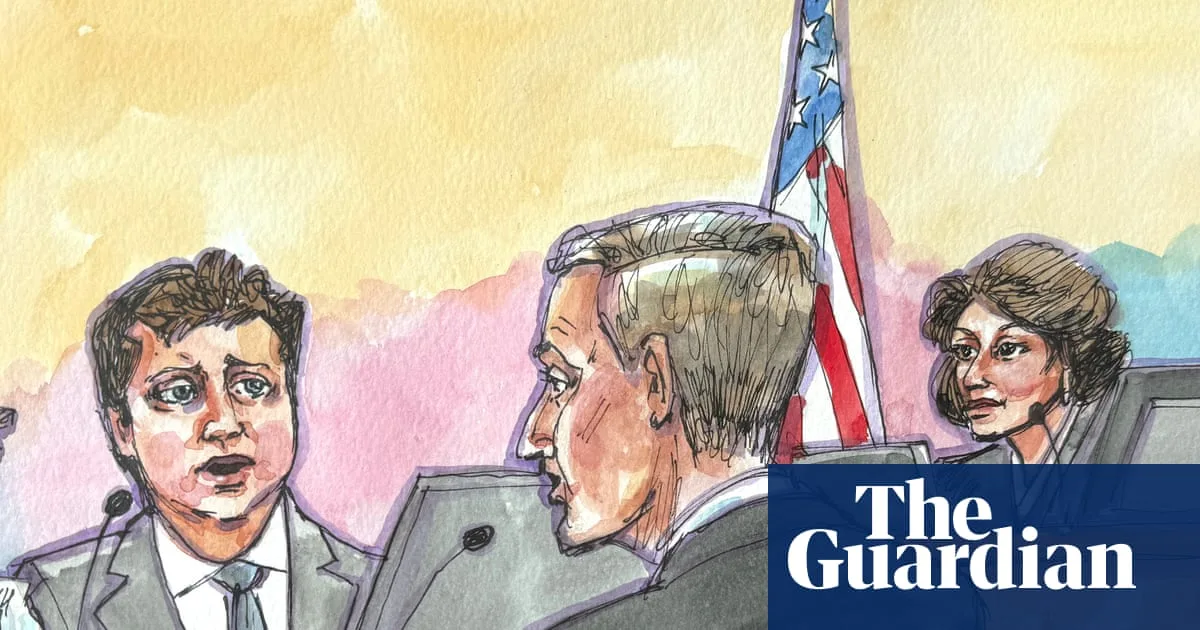
OpenAI CEO Sam Altman took the stand on Tuesday to defend himself and his company against a lawsuit filed by Elon Musk, in a high-stakes trial that has pitted two of tech's most powerful figures against each other. Altman is expected to be one of the final witnesses in the three-week trial, which centres on Musk's allegations that OpenAI breached its founding agreement by restructuring into a for-profit entity.
Musk claims that Altman deceived him into co-founding the company and providing tens of millions of dollars in financial backing, and that Altman unjustly enriched himself in the process. He is seeking Altman's removal as CEO, the redistribution of $134bn to OpenAI's non-profit arm, and the reversal of its for-profit conversion. OpenAI and Altman have rejected all claims, arguing that Musk is motivated by jealousy after a failed bid to take over the company in 2018.
During his testimony, Altman directly addressed Musk's accusations, including the claim that he 'stole a charity'. 'It feels difficult to even wrap my head around that framing,' Altman said. 'We created the largest or one of the largest charities in the world.' He also rejected the suggestion that OpenAI was Musk's startup, saying, 'I would not agree with that characterization at all.'
Altman alleged that in 2017, discussions about creating a for-profit structure fell through due to disagreements over ownership, with Musk demanding total control. 'Mr Musk felt very strongly that if we were going to form a for-profit, he needed total control over it initially,' Altman said, adding that the request made him 'extremely uncomfortable'. He also claimed that Musk was offered a chance to invest in the for-profit entity but turned it down on principle, as he refuses to invest in companies he does not control.
Altman's character has been a core focus of the trial, with Musk's lawyers portraying him as deceptive and self-serving. Former OpenAI executives, including those involved in briefly ousting Altman in 2023, have testified that he was untrustworthy and had a pattern of lying. During cross-examination, Musk's attorney Steven Molo asked Altman if he was 'completely trustworthy', and read out statements from former colleagues who accused him of deception.
The outcome of the case is hugely significant for OpenAI, which is seeking to go public at a valuation of around $1tn later this year. The trial has featured testimony from some of Silicon Valley's biggest names, including Musk and Microsoft's CEO, and the reputational stakes for both men are high.