The Government will consider weakening rules that force motorists to buy electric cars, after manufacturers warned that thousands of jobs are at risk. However, the planned ban on the sale of new fully petrol or diesel cars from 2030, and new hybrid vehicles from 2035, will remain in place.
Instead, a consultation launched by the Department for Transport will examine whether to relax tough regulations designed to reduce sales of petrol and hybrid cars before those dates.
Consultation on ZEV Mandate
Transport Secretary Heidi Alexander said: “The UK EV market is strong - sales are up, British manufacturers and charge point operators are investing billions, alongside our backing of £7.5bn, including our Electric Car Grant that has helped over 160,000 people make the switch.”
She added: “It’s right we keep targets under review to ensure they’re practical and back British industry. The end goal hasn’t changed – but we need to take business with us on the journey, and that’s exactly what we’re doing today, by making sure industry has the chance to shape how we get there.”
Industry warnings and possible changes
Under the Government’s Zero Emission Mandate (ZEV), vehicle manufacturers in the UK must already ensure 33% of new cars are electric, and face fines if they fail to comply. This is set to rise steadily to 80% by 2030.
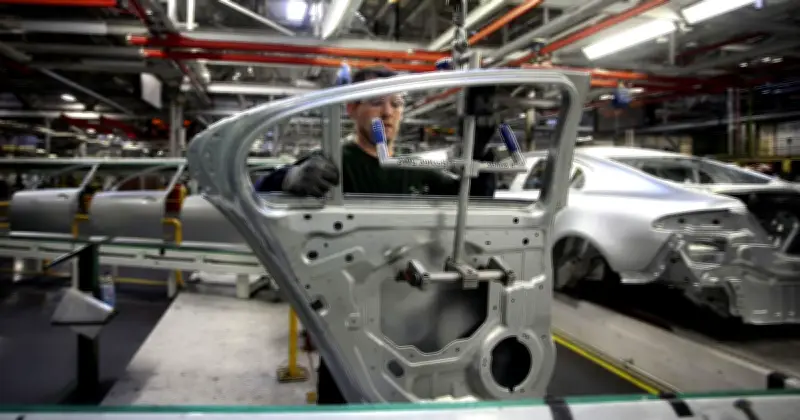
But carmakers have warned that drivers are reluctant to buy electric vehicles, and the industry spends £5 billion every year providing discounts. The automotive sector, which employs almost 800,000 people including 156,000 directly in manufacturing, has said this is unsustainable and jobs are at risk. Firms include Jaguar Land Rover, with plants in the West Midlands and Merseyside, and Nissan, a major employer in the North East.
Possible changes to be considered by the Government include reducing the target so that just 50% of new cars must be fully electric by 2030. This would allow more hybrid vehicles to be sold - although the total ban on hybrids after 2035 would remain.
Industry and environmental reactions
Industry leaders welcomed the move. Mike Hawes, Chief Executive of the SMMT, said: “We welcome government’s consultation on the ZEV Mandate and how it should change to better support the UK’s transition. Industry remains fully committed to a zero-emission future, investing billions in new technologies, products and, along with government, consumer incentives.”
He added: “The regulation was conceived, however, under very different conditions – cheaper energy, rapidly declining production costs, and more optimistic global demand expectations. Regulatory targets are now running ahead of current consumer demand, so this review is a timely opportunity to optimise the pace of change. This is a regulation that increasingly dictates consumer choice – and therefore automotive companies’ future strategies and viability – so it must work for all involved. That means a commercially sustainable transition that supports UK competitiveness, investment and jobs while delivering greater choice and affordability for motorists – with a rapid resolution needed to unlock those benefits for everyone.”
Environmental campaigners accused the Government of failing to take the threat of climate change seriously. Holly Brazier Tope, director of politics at think tank Green Alliance, said: “There is a bitter irony in the government consulting on weakening one of the UK’s most powerful climate policies at the very moment this summer’s devastating heat is making the reality of climate change impossible to ignore.”