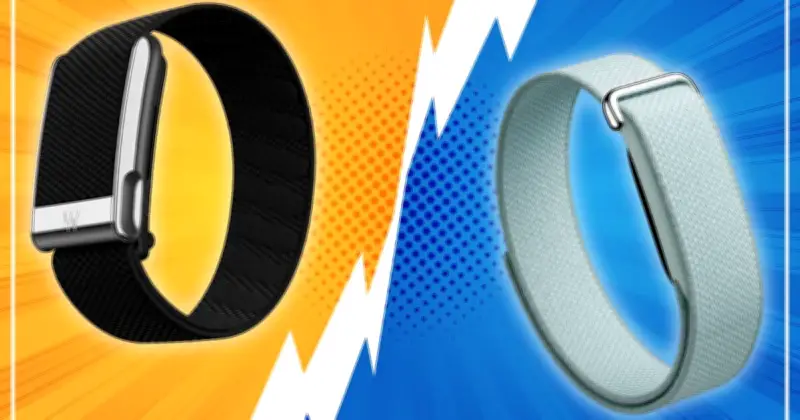
Fitbit Air vs Whoop: A Month-Long Comparison
Google recently launched the Fitbit Air, a screenless activity band priced at £84.99, alongside rebranding the Fitbit app as Google Health. The device has drawn comparisons to Whoop, a subscription-based fitness tracker known for its strain and recovery metrics. However, Whoop requires an annual subscription starting at £169, with the top-tier Whoop MG costing £349 per year. I wore both devices for a month to determine which offers better value.
Design and Comfort
The Fitbit Air is slimmer and lighter than the Whoop MG, making it more comfortable for 24/7 wear. It has a seven-day battery life, while the Whoop lasts 14 days. Neither device has a screen, GPS, or contactless payments, but both sync with iPhone and Android.
Data and App Experience
Google Health displays steps, readiness, and sleep scores, while Whoop prioritises sleep, recovery, and strain. Whoop's app provides more actionable insights, such as suggesting bedtime to address sleep debt and tracking five key heart metrics. The Fitbit Air's free tier offers basic data, but a £7.99/month Google Health Premium subscription unlocks an AI Coach, which I found repetitive and underbaked. Whoop's AI Coach is more proactive and integrated.
Accuracy and Battery Life
Both trackers showed discrepancies: one night Fitbit recorded 5 hours 33 minutes sleep (score 65), while Whoop recorded 4 hours 51 minutes (score 73). Step counts varied by over 1,600 steps in a day. Whoop's battery lasted 14 days versus Fitbit's 7 days.
Value and Subscription Model
Whoop's subscription model is a major drawback: the band becomes unusable if you cancel, and you lose access to data. The Fitbit Air works fully without a subscription, offering a more affordable option at £84.99. For most casual users, the Fitbit Air is sufficient. Dedicated athletes may prefer Whoop's detailed metrics, but the high cost makes it hard to recommend.
According to Henry Burrell, Deputy Technology Editor, "I would love to keep wearing the Whoop, but I would not pay £349 per year for it." He notes that the older Whoop 4.0 once detected illness before symptoms appeared, but the pricing remains prohibitive.