World's First Battery-Powered Cruise Ship Could Launch Within Five Years
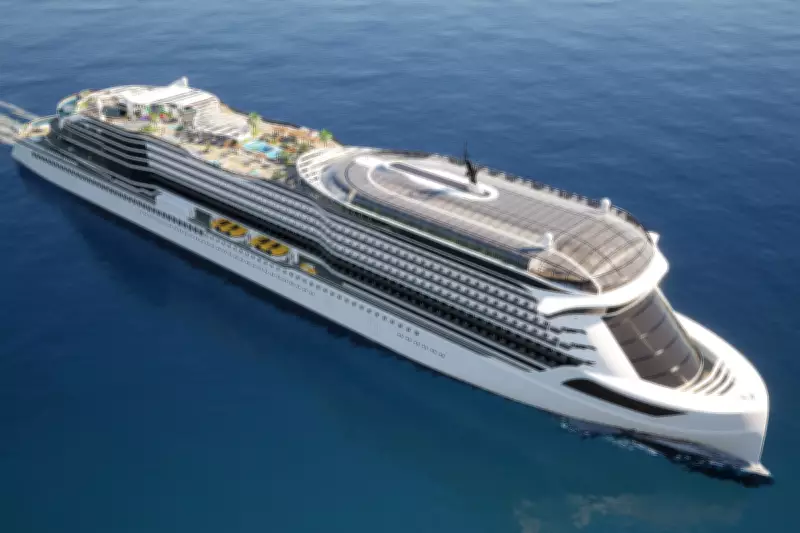
German shipyard Meyer Werft has revealed "Project Vision," a groundbreaking concept for the world's first fully battery-powered cruise ship. This innovative vessel, which could be built within five years if ordered in 2026, represents a significant leap forward in sustainable maritime travel.
Design and Specifications of the Proposed Vessel
The proposed cruise ship will measure an impressive 275 metres in length and accommodate up to 1,856 passengers. According to Meyer Werft, the vessel could be delivered by 2031 if construction begins this year, marking a rapid timeline for such advanced technology.
Power System and Environmental Benefits

The ship will be powered entirely by a battery system supplied by Norway's Corvus Energy. This innovative power source is designed to reduce greenhouse gas emissions by up to 95% compared to traditional cruise ships, addressing growing concerns about the environmental impact of maritime tourism.
Innovative Design Features
The battery-powered design eliminates the need for a traditional exhaust shaft and funnel, allowing for a completely new architectural approach. This change could enable the creation of an entirely new sun deck layout with unobstructed views for passengers, enhancing the onboard experience while maintaining sustainability goals.
Industry-Wide Sustainability Efforts
This development aligns with broader industry movements toward more environmentally friendly shipping solutions. Many cruise lines are already exploring alternatives such as liquefied natural gas (LNG), hydrogen, and biofuels for their newer vessels. Additionally, ports like Dover have achieved net-zero status, creating infrastructure to support these sustainable initiatives.
The introduction of a fully battery-powered cruise ship could potentially revolutionize the cruise industry, offering passengers luxury travel without the significant carbon footprint associated with traditional cruise vessels. As environmental regulations tighten and consumer demand for sustainable options grows, innovations like Project Vision may become increasingly important for the future of maritime tourism.