
A heating expert has urged people to take care when arranging their yearly boiler service, warning that some prices may be too good to be true.
Adam Knight, lead engineer at boiler installation group BOXT, is a firm advocate of having an annual check over your boiler. He said: "Your boiler shouldn't need your attention every day, but it does deserve an annual check-up. A service by a Gas Safe registered engineer can identify faults affecting performance and help keep it running safely."
Buyers beware
The expert said: "There isn't a set amount every service will save [in energy costs], so be wary of anyone promising one." He pointed out one setting that many people never check.
Mr Knight said: "One setting worth checking on a condensing combi boiler is the heating flow temperature: how hot the water gets before it goes to your radiators. Many people never touch it after installation."
More efficient
He explained why this is important to have set right: "If it's unnecessarily high, lowering it gradually, potentially to around 60C, can help the boiler work more efficiently. Check that your rooms still get comfortably warm, particularly when the weather turns colder."
He added: "If you have a separate hot-water cylinder, speak to an engineer first, as the system must still heat stored water safely." Upgrading your boiler could also deliver big savings over the long term.
To work out if this is worth it, BOXT has a boiler savings calculator you can use to get an estimate based on your house type and boiler age. Mr Knight also recommends spending a bit of time getting to grips with the basic controls of your boiler.
He said: "Most of us learn how to turn the heating on and leave the rest of the buttons well alone. But spending five minutes getting familiar with your controls can help you spot settings that don’t suit your routine."
Take control
To help households better understand how their heating systems operate, Knight highlighted three key controls worth reading up on:
- Your programmer: Decides when the heating turns on and off
- Flow-temperature control: Sets how hot the water gets before it reaches your radiators—a setting distinct from the overall temperature set on your wall thermostat
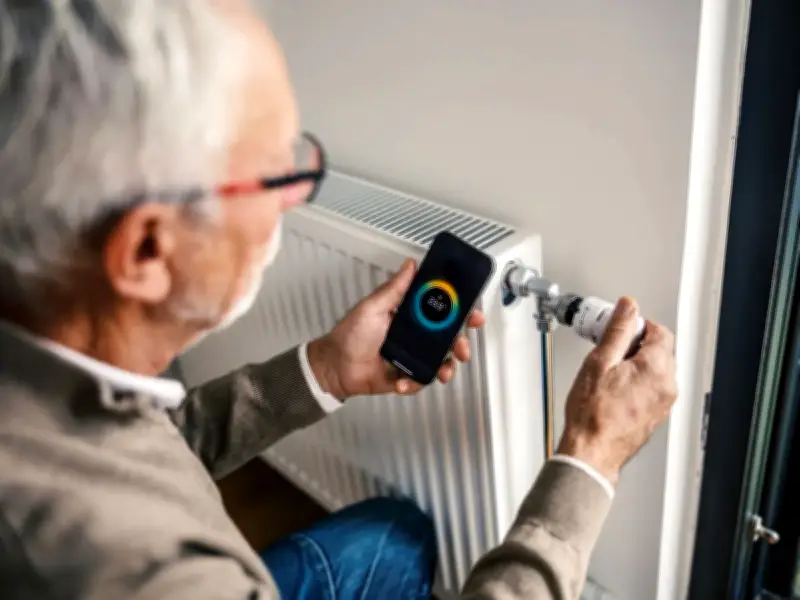
- Radiator valves: Helps regulate temperatures in individual rooms
Smart move
The expert was also keen to clear up a common area of confusion among homeowners regarding smart home technology. He said: "It's also worth knowing the difference between a smart thermostat and a smart meter. A smart thermostat controls your heating; a smart meter records energy use and normally sends readings to your supplier. Its separate in-home display helps you keep an eye on consumption and estimated spending."
Mr Knight recommends using that in-home display to stay mindful of your household energy consumption. He said: "Use that display to get curious about your habits: when does usage rise, and does it match what’s happening in the house? It can help you spot waste, but it won't save money by itself—and setting a budget on the screen doesn't put a spending limit on your bill."




