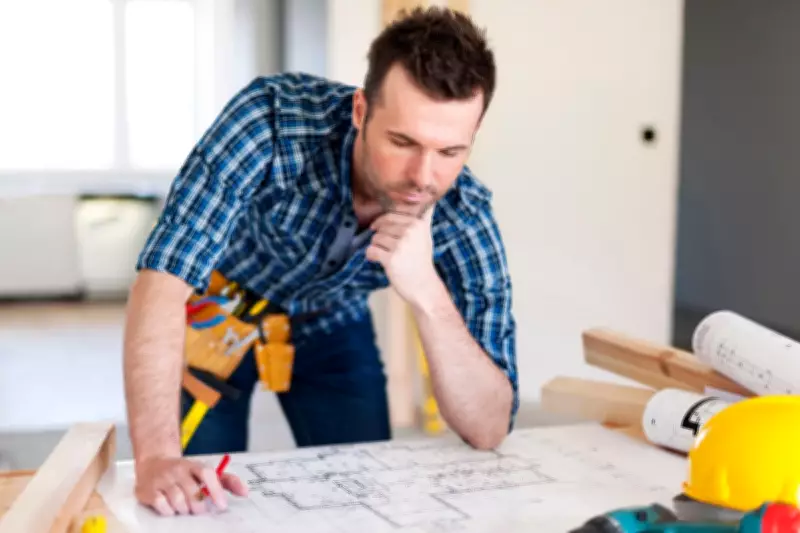
Deciding to undertake a building project is a significant commitment, whether it is a dream kitchen, rear extension, cosmetic upgrades, or painting and decorating. The right design and collaboration require extensive research.
Tim Phillips, senior quantity surveyor and founder of Quantiv, explains: "At some point in every homebuilding or renovation project, the focus shifts from drawings to reality. That moment when construction begins is where your choice of builder becomes critical."
The right builder brings structure, pace, and quality, helping you complete the project on time and on budget. The wrong one can quickly derail it. Success depends on how you select and manage your builder, and the process starts long before the first quote.

Start Close to Home
Choosing a local builder offers clear advantages. A nearby contractor is more likely to spend consistent time on site, understand local planning conditions, know where to source materials efficiently, and have established relationships with trusted trades. Local builders also have a reputation to protect, as their work is visible and word spreads quickly. Walk or drive around your area and note which builders are active, focusing on their presence and consistency rather than the style of the build.
Use the Trade Network
Some of the best recommendations come from other trades. If you have recently worked with a plumber, carpenter, or electrician, ask who they rate. Tradespeople tend to work repeatedly with the same builders and are usually honest about who runs an organised, professional site. Your local builders' merchant can also offer valuable insight, as they see who is regularly buying materials and managing accounts properly.
Ask the Right People
Building control officers and approved inspectors work across multiple sites and see standards of work first-hand. Architects and designers, even if they only provide drawings, have worked with a range of builders and can suggest those with a proven track record. Family and friends remain one of the most trusted sources; if someone close to you has completed a project, ask about their experience and visit the finished work.
Be Selective Online
Online searches can help build a shortlist, but approach them carefully. A basic website does not mean poor quality, and a polished one does not guarantee it. Many excellent builders rely on word of mouth. Once you have names, carry out proper checks: look at professional memberships such as the Federation of Master Builders, review insurance details, and examine social media activity. Pay attention to how builders present their work and how clients respond.
Assess Suitability
Before moving to quotes, establish whether a builder is right for your project. Availability is key, as good builders are often booked well in advance. Experience and team structure also matter; some builders use directly employed trades, while others rely on subcontractors. Confirm insurance, warranties, and VAT registration, particularly for new builds where zero-rating may apply.
Learn from Past Clients
A reputable builder should provide references. Speaking to previous clients reveals how the project was managed, including communication, punctuality, and general organisation. If possible, visit completed projects; there is no better indication of what to expect.
Approach Quotes Properly
The quoting stage can avoid many issues. Ideally, all builders should price the same detailed document, such as a Bill of Quantities, so comparisons are consistent. Obtain multiple quotes to establish a realistic range, but interpret them carefully. A high price does not always reflect better quality, while a low price may lead to compromises or costly variations. Extremely low quotes carry risk, including the possibility that the builder may not complete the project. Understand what is included and how costs are structured.

Manage the Project
Project management is often underestimated. Coordinating trades, scheduling work, and maintaining communication requires experience and time. While some clients take this on themselves, it is usually more effective to appoint a builder who can manage the process. A good builder will coordinate with the design team, organise trades and materials, and keep you informed. Regular site meetings help ensure issues are identified early.
Use a Contract
A formal contract is essential. It should clearly set out the scope of work, costs, programme, and responsibilities. Documents such as the JCT Home Owner Contract provide a straightforward framework and help prevent misunderstandings.
Build the Relationship
Construction is a collaborative process. A strong working relationship with your builder makes a significant difference. Stay engaged, communicate openly, and keep track of costs as the project progresses. No project runs perfectly, but with the right builder and a structured approach, challenges can be managed effectively. Invest time in the selection process to set your project up for success from the outset.
For more tips and advice, book a free one-on-one consultation with Tim Phillips at the Homebuilding & Renovating Show, June 27-28, Sandown Park, Surrey.