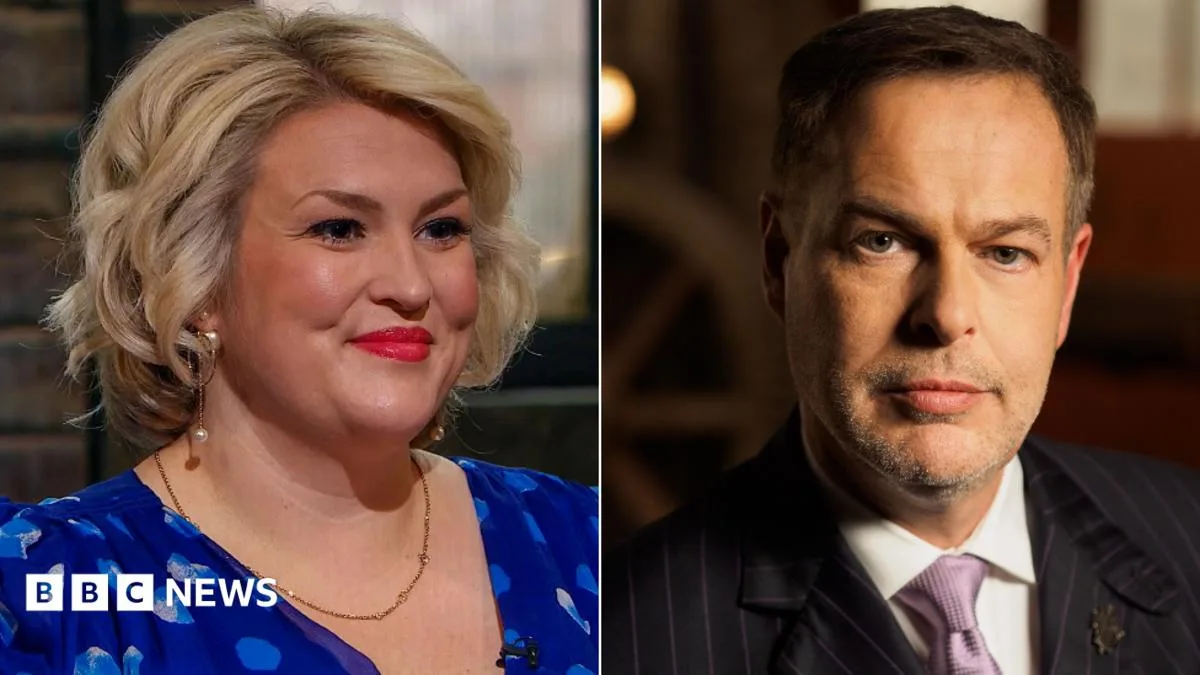
The long-running BBC series Dragons' Den, which has been on air since 2005, is moving to a prime-time Thursday night slot on BBC One. The show, which regularly attracts more than three million viewers, sees entrepreneurs pitch their ideas to a panel of investors in the hope of securing funding.
The Den can be an intense environment. Peter Jones, the only Dragon to have remained since the first series, described the experience as "competition mode", with deals sometimes causing friction among the panel. Sara Davies, who joined in 2019, agreed that it can get "really tense", but said the Dragons are able to relax together afterwards and "stick the kettle on".
The format originated in Japan in 2001, and the UK version involves lengthy filming days, with pitches lasting up to two hours and 14 episodes produced from 18 days of filming. The cast knows nothing about the businesses beforehand, ensuring genuine reactions.
There have been notable successes, such as Levi Roots' Reggae Reggae Sauce, but also significant misses. In 2007, the Dragons rejected the takeaways website Hungry House, later overshadowed by Just Eat, Deliveroo and Uber Eats. Peter Jones admitted that turning down Tangle Teezer, the detangling hairbrush whose inventor has since made more than £100m, was an error.
However, Jones argued that not every perceived miss warrants regret, citing Trunki, the rideable children's suitcase. "That wasn't a miss at all," he said, explaining that the business was overvalued at the time of the pitch. A recurring point of controversy surrounding the show is how many deals agreed in the Den fall through after filming ends.