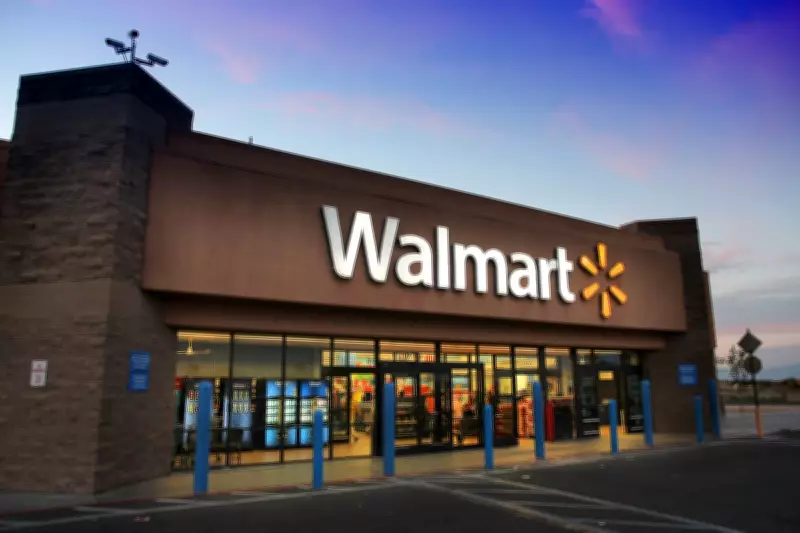
Walmart Loses Crown as America's Cheapest Grocery Store
For decades, Walmart has been synonymous with low-cost, one-stop shopping, but a groundbreaking new survey indicates that era may be over. According to a recent Consumer Reports study, shoppers seeking the best deals on groceries should now look beyond the retail giant.
New Leaders in Low-Cost Groceries
The survey, conducted by the New York-based Strategic Resource Group, ranks 35 major grocery chains from cheapest to most expensive. Topping the list are wholesale bulk retailers Costco and BJ's Wholesale Club, which were found to be significantly cheaper than Walmart. Costco's prices are reportedly 21.4 percent lower, while BJ's Wholesale Club is 21 percent less expensive.
Following closely are discount chains Lidl and Aldi, which came in at third and fourth place, respectively. Lidl was rated 8.5 percent cheaper than Walmart, and Aldi was 8.3 percent less expensive. This shift highlights a growing trend toward alternative retailers for budget-conscious consumers.

Walmart's Position and Response
Despite no longer holding the top spot, Walmart remains a competitive option, ranking as the seventh cheapest grocery store in the survey. Other notable retailers include WinCo and H-E-B, which secured the fourth and fifth positions.
In response to the findings, a Walmart spokesperson expressed skepticism, telling OregonLive that Consumer Reports did not share the full details of the survey. The spokesperson stated, "We would need the complete details of their study to run our own analysis before we could comment — as it may be incorrect." This underscores the ongoing debate over pricing methodologies in the retail industry.
Most Expensive Grocery Stores
On the opposite end of the spectrum, the survey identified the most expensive grocery chains. The bottom 10 spots include well-known names such as Harris Teeter, Trader Joe's, and Albertsons. Trader Joe's and Albertsons were found to be 25 percent more expensive than Walmart.
Topping the list as the most expensive retailer is Amazon-owned Whole Foods, which was nearly 40 percent pricier than Walmart. This stark contrast emphasizes the wide range of pricing strategies across the grocery sector.
Survey Methodology and Full Rankings
The Strategic Resource Group compiled the data by comparing prices of "baskets of commonly purchased items" at mainstream grocery chains in six regionally representative cities across the U.S. All data was collected within a single 48-hour window to minimize price fluctuations, and the analysis accounted for outliers like sale prices and loyalty card discounts.
The full list of grocery stores, ranked from cheapest to most expensive, is as follows:
- Costco
- BJ’s Wholesale Club
- Lidl
- Aldi
- WinCo
- H-E-B
- Walmart
- Market Basket
- Target
- Wegmans
- King Soopers
- Safeway
- Food 4 Less
- Meijer
- Food Lion
- Hannaford
- Kroger
- Stater Bros
- Publix
- Fiesta
- Ralphs
- Stop & Shop
- Piggly Wiggly
- Harris Teeter
- Trader Joe’s
- Albertsons
- Tom Thumb
- Big Y
- Vons
- Mariano’s
- Jewel-Osco
- El Rancho
- Shaw’s
- Whole Foods
This comprehensive survey provides valuable insights for consumers navigating the evolving landscape of grocery pricing, signaling a potential shift in where Americans shop for their daily essentials.