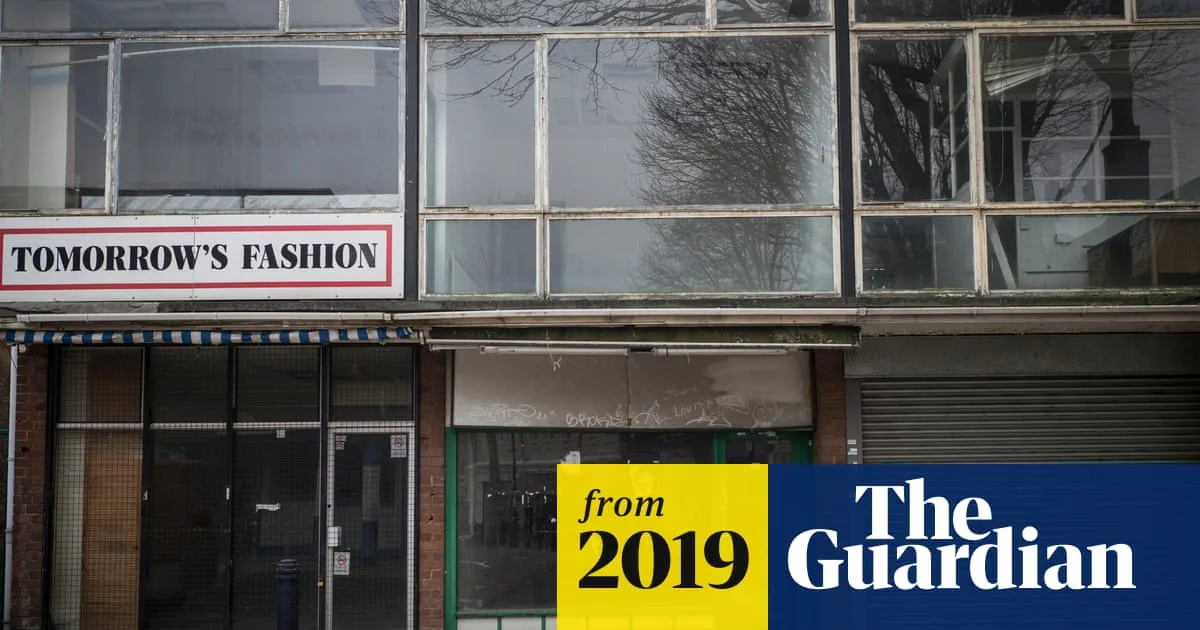
The number of empty shops in the UK soared by more than 7,500 last year, according to new figures that show the high street crisis at its worst in five years. Analysis of 650 shopping locations by the Local Data Company (LDC) found net closures rose by 37% year on year, as 50,828 outlets shut against 43,278 openings.
The decline was driven by the closure of hundreds of banks, pubs, estate agents and fashion stores, offset by a rise in barbers, beauty salons, vaping stores, cafes and restaurants. Several major chains collapsed into administration, including Poundworld, Maplin, Toys R Us and Multiyork, while New Look, Carpetright and Mothercare were forced to negotiate store closure agreements with landlords.
Restaurant groups such as Gourmet Burger Kitchen, Byron, Jamie's Italian, Carluccio's and Prezzo also closed large numbers of outlets, citing rising costs, slowing spending and changing consumer habits. The pain has continued into 2019, with Debenhams and Sir Philip Green's Arcadia group expected to seek approval for further closures, and Marks & Spencer in the process of shutting 100 shops by 2022.
Lucy Stainton, head of retail and strategic partnerships at LDC, said 2018 was "another unprecedented year of change" as sustained challenges for legacy brands collided with new concepts, making conditions tougher than ever. She cited rising operating costs, Brexit uncertainty, higher rents and business rates, alongside a shift to online shopping and changing leisure habits.
Retailers have called for government action, with Tesco urging a 2% online sales tax to fund business rates cuts. The government has offered small retailer relief and set up a £675m future high streets fund, but LDC noted that shopping centres were hardest hit last year, with a 2.2% fall in outlets compared with 1.4% on traditional streets.
However, some businesses thrived, with Aldi opening the most new stores, followed by Greggs and Card Factory. Mike Ashley's Sports Direct empire increased to 1,154 outlets from 651 in 2015. Landlords are increasingly redeveloping empty units into homes or other uses, with the number of converted spaces jumping to 3,577 from 2,706 in 2017.