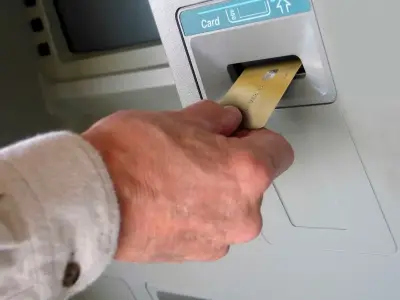
The official limit on individual contactless transactions on credit and debit cards has been scrapped by the Financial Conduct Authority (FCA), but major UK banks have chosen to retain the £100 ceiling for now. Barclays, HSBC, Lloyds, Nationwide, NatWest, and Santander have all confirmed they will keep the existing limit, while digital-only banks like Monzo have also decided not to change their limits. Starling and Revolut have yet to make a decision.
UK Finance, the banking lobby group, said lenders are holding off on changes because there is no widespread consumer demand, and card terminals in shops would need to be upgraded to handle larger contactless payments. The average contactless payment is currently under £18, and contactless is the most popular payment method, accounting for 67% of credit card and 76% of debit card transactions.
The FCA made the rule change to allow banks to respond to changing consumer demands, inflation, and new technology. A spokesperson said: “We want to make sure our rules provide flexibility for the future, and choice for firms, merchants and consumers. With strong fraud controls already in place and payment technology continuing to improve, this is about giving firms room to innovate while keeping consumer protection front and centre.”
However, concerns remain about fraud and budgeting. Higher or nonexistent caps could enable criminals to make larger purchases on stolen cards. The FCA expects banks to have fraud checks in place before raising or scrapping limits, which may involve contacting customers for large transactions. Additionally, the ease of large contactless payments could make it harder for people to track their spending. There is no limit on payments via digital wallets like Apple Pay, which use biometric verification.