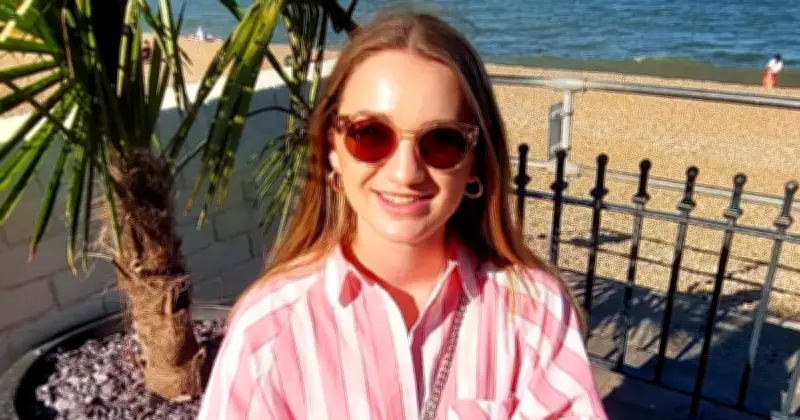
I've been browsing charity shops for as long as I can remember. They're packed with vintage clothes, retro toys, secondhand books and all kinds of quirky pieces. Some of my best childhood memories are leaving a charity shop with a bag full of toys and books. As a teenager, I would pop into local shops for cheap clothes instead of spending my entire Saturday job wage on one item from Topshop. Now in my 30s, most of my wardrobe is preloved - from charity shops, consignment stores and apps like Vinted. My own finds include a pink and white striped shirt and a pair of Puma trainers - both from my local shops.
That said, finding good pieces isn't always straightforward, especially if you're new to it. Sometimes you can spend an hour going through rails and come home with nothing. But one common mistake often stops people from finding the best items: only looking in their usual clothing size.
The size mistake that hides the best finds
Sticking to one or two sizes could mean missing out on a lot of great pieces. When I browse, I start at one end of the rail and work through every piece to the other end. Vintage clothes often come up small, so it's worth going a size or two up. Sizing also varies widely between brands - some run small, others run large. I size up for Zara, and down for Tu, Primark or F&F.
Think about the fit you want. Do you prefer a fitted T-shirt or an oversized look? If it's the latter, don't be afraid to try bigger sizes - or even head to the men's section. Taking in oversized clothing is much easier than letting out something too small.
Why the men's section is a goldmine
The men's rail is often where women find some of the best bargains. I once found a men's medium Patagonia fleece in a local charity shop for just £8 - they retail at around £90. It's a little oversized, but it's one of the warmest and comfiest jumpers I own. Men's shirts, especially linen ones, are also great for throwing over a vest on a warm day.
Designer sections can be trickier. Many charity shops have a dedicated area featuring brands like Whistles, Mint Velvet, AllSaints, Levi's, Rixo and Ralph Lauren. I love finding a designer bargain, but getting the right fit can be hard - luxury brands often run small, so I tend to size up. If you're unsure, most charity shops have changing rooms, and if they don't, they usually have a returns policy as long as you keep the receipt and the label on.
Check the label before you buy
Before buying, especially vintage pieces, I always check the label to see what the garment is made from. It helps me decide whether it's worth it. Is it easy to care for? Will it hold its shape? Will it pill? These are all worth thinking about before you buy. With knitwear, always check the label - a mostly wool jumper will likely last longer, keep you warmer and need washing less often than a synthetic one.
Labels also help you judge value for money. Natural fibres like wool, silk, linen and cotton tend to wear better than synthetics. Sometimes tags are cut out before items are donated, so checking the label can tell you whether you've found a high-street basic or something more premium.
Where to find the best charity shops
I'm lucky to have some great charity shops nearby, but the best finds are often in wealthier areas. On a trip to Chelsea in London, I was surprised by how many designer items were on the rails. Other well-heeled London areas, such as Marylebone and Primrose Hill, are also worth a visit. If you're not near London, try the more affluent towns around you - places like Tunbridge Wells, Winchester, Chichester, Bath, Marlborough and Cambridge are often brilliant for quality finds.
Cities with large student populations are great for on-trend pieces without the fast-fashion price tag, and tend to have a wider range of vintage and eclectic items too.