Santa Monica's Iconic Shopping Strip Faces Dramatic Transformation
Just steps from the Pacific Ocean, Santa Monica's renowned Third Street Promenade once epitomised California's vibrant coastal lifestyle. Street performers captivated audiences, tourists documented their visits with countless photographs, and shoppers flowed in and out of bustling stores well into the evening hours. Securing a retail lease in this prime location was once considered nearly impossible for aspiring businesses.
A Stark Contrast to Former Glory
Today, visitors report a profoundly different atmosphere along this famous shopping corridor. Numerous storefronts remain darkened and vacant, pedestrian traffic has noticeably diminished, and local residents describe sections that feel unsettlingly quiet. The area contends with increasing homelessness and rising crime rates, creating what many describe as an eerie transformation.
Online platforms have become forums for expressing surprise at this dramatic shift. One Reddit user characterised the promenade as resembling a "ghost town," while a longtime Santa Monica resident reflected on the area's evolution. "So many stores are shuttered, foot traffic feels lighter—even on weekends—and there's this weird energy, like it's stuck in limbo between being a tourist spot and a local ghost town," the user wrote. "I remember when it used to be a lively place for shopping, street performers, late-night food and just good vibes overall. Now it feels like more people walk through than actually stop and enjoy it."
Quantifying the Decline
These observations extend beyond mere anecdote. Local officials and business organisations have acknowledged that pedestrian movement in the district has decreased substantially since the pandemic period. According to Santa Monica Travel & Tourism, visitor numbers and foot traffic in the downtown area dropped significantly during COVID-19 and have recovered slowly compared to pre-2020 levels.
One report indicates approximately 4.2 million visitors traveled to Santa Monica in 2024, representing a 9 percent decrease from the 4.6 million visitors recorded the previous year. Retail analysts attribute this downturn to multiple converging factors: widespread remote work arrangements, evolving consumer shopping patterns, and the relentless growth of online retail. These forces have particularly impacted urban shopping corridors, with numbers continuing their downward trajectory.
Retail analyst Neil Saunders of GlobalData explained to the Daily Mail: "Some malls are suffering because patterns of demand have changed. It is hard to turn things around." Simultaneously, commercial rents and operational expenses remain elevated, creating survival challenges for smaller enterprises. Both independent retailers and several major chain stores have departed the area in recent years, contributing to the proliferation of empty storefronts along the Third Street Promenade.
Broader Social Challenges Emerge
Residents also identify wider societal issues affecting the district. Homelessness in Santa Monica has increased in recent years, with the unsheltered population growing by approximately 15 percent between 2022 and 2023. Local media outlets have reported a slight uptick in criminal activity around the Third Street Promenade.
In 2024, serious offenses—categorized as Part I crimes including robbery, burglary, and aggravated assault—rose by about two percent. Lower-level offenses such as drug violations, disorderly conduct, and vandalism increased by five percent. Police responded to 8,874 calls in the area and made 256 arrests, with reports indicating roughly 70 percent involved homeless individuals.
Another deterrent for local visitors is the escalating cost of dining and shopping in the vicinity. Santa Monica has long ranked among California's most expensive coastal cities, with living costs approximately 150 percent higher than the national average. Restaurant menu prices along the Promenade have climbed sharply in recent years due to inflation and increased labor expenses.
For some residents, these price increases have rendered casual outings financially prohibitive. One Reddit user who claimed lifelong area residency admitted avoiding the Promenade since before the pandemic. "There's just no reason to go," they wrote. "I'm not into chain stores really—what's left of them anyway—can't afford most of the restaurants, and just don't want to hassle with the mentally unstable types. There's no longer anything there for me."
Revitalization Efforts Underway
Despite these significant challenges, the Third Street Promenade continues attracting international visitors. City leadership is implementing a revitalization strategy with a budget approaching $60 million, aiming to reverse high vacancy rates and declining foot traffic. This comprehensive plan seeks to transform the traditionally retail-focused corridor into a mixed-use destination.
Proposed innovations include rooftop dining establishments, pop-up retail spaces, and infrastructure improvements designed to enhance pedestrian accessibility. Retail expert Saunders emphasised that "the start point must be reversing the spiral of decline." He elaborated: "That means making an area feel safe and then trying new things like markets for creators and crafters or special events. If this can’t be done, then redevelopment is sometimes a possibility—especially for mixed use developments that have a mix of retail, office and residential."
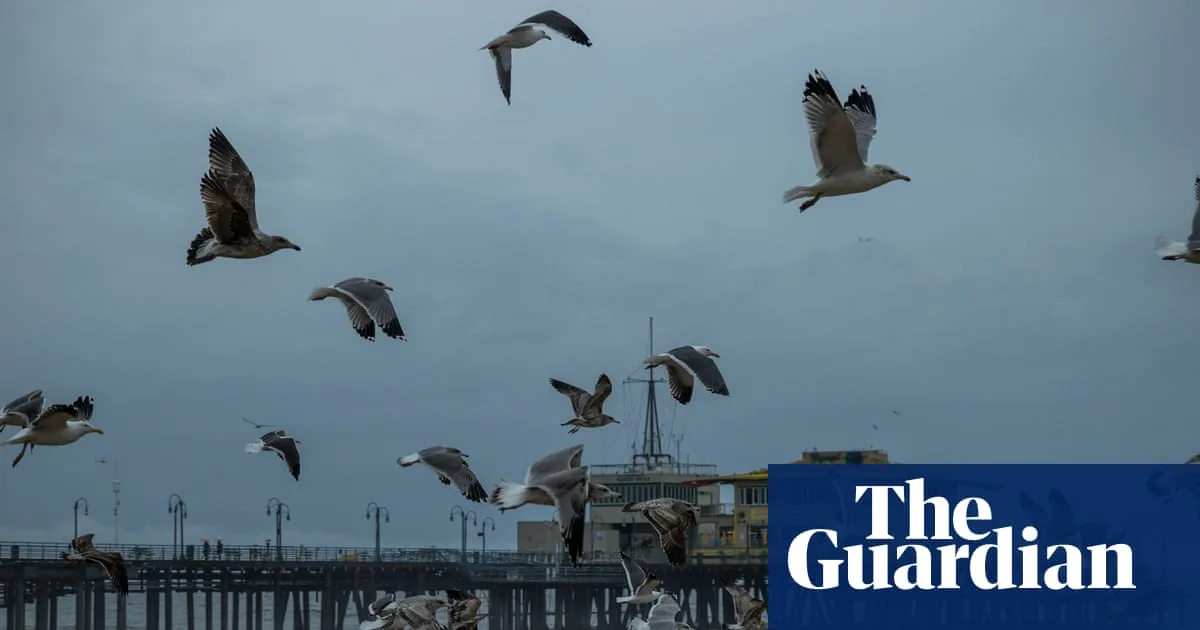
Officials anticipate these planned enhancements will address persistent concerns—including homelessness issues and safety perceptions—to cultivate what they describe as a "vibrant atmosphere" ahead of the 2028 Olympic Games. The Third Street Promenade's proximity to the iconic Santa Monica Pier positions it as a potential focal point during the international sporting event, providing additional impetus for its transformation.