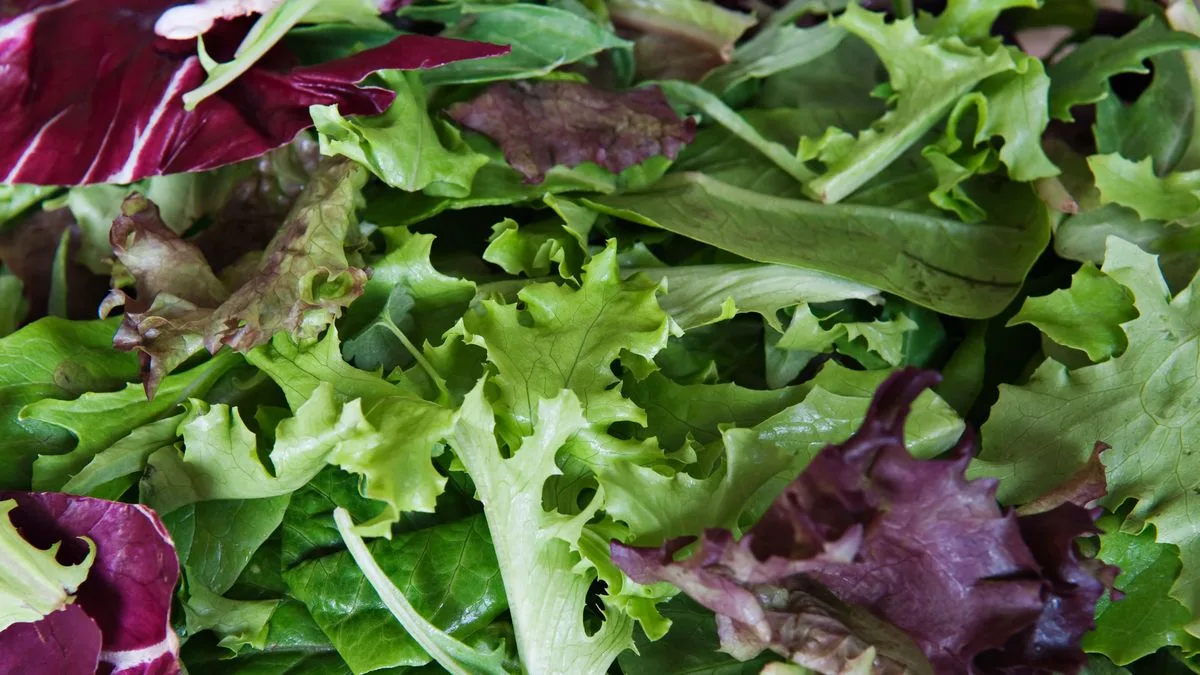
A study by the University of Kent has found that nearly a fifth of pre-washed vegetables sold in UK supermarkets are contaminated with the cryptosporidium parasite, which can cause severe diarrhoea and vomiting. The research analysed 36 packs of ready-to-eat salad leaves purchased from four supermarkets in Canterbury, Kent, between May and July 2023.
Of the 24 packs that met the study criteria, 58% tested positive for cryptosporidium, with 17% (four packs) showing a strain similar to cryptosporidium parvum, the primary cause of human cryptosporidiosis. The researchers did not name the supermarkets but said the findings likely reflect the entire sector.
Cryptosporidium particles are resistant to chlorine disinfection, which is commonly used to clean pre-washed vegetables. This means the parasite can survive the washing process and remain infectious if consumed raw. The study warns of “implications for public health in the UK” and calls for further investigation into the source of contamination.
The same parasite caused an outbreak in Devon in May 2023, linked to a faulty air valve in tap water, affecting over 100 people. Symptoms of cryptosporidiosis include watery diarrhoea, stomach cramps, nausea, fever, and loss of appetite, lasting up to two weeks. The NHS advises that the infection can be confirmed only through a stool sample test.
Experts recommend that consumers handle pre-washed vegetables with caution, despite labels stating they are ready to eat. Boiling water or filtration are the only reliable methods to eliminate cryptosporidium oocysts, as standard chlorine rinses are ineffective.