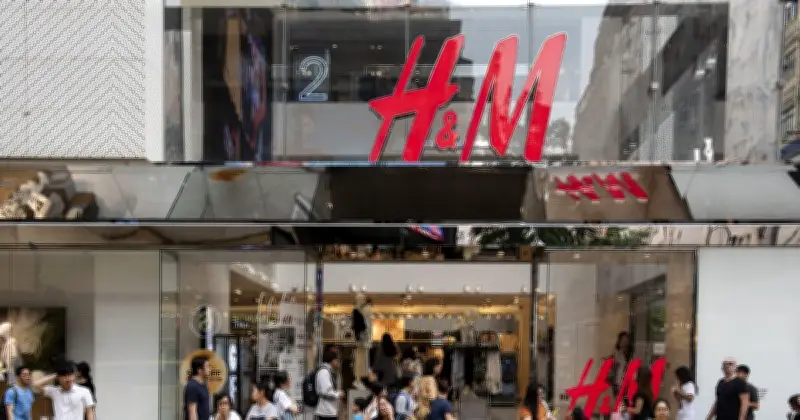
H&M, the Swedish retail giant, has announced plans to close more than 130 stores across the globe, delivering a significant blow to high streets worldwide. The closures affect its portfolio of brands, including Cos, Weekday, H&M Home, & Other Stories and Arket. This move is part of the company's strategy to remain competitive in a rapidly evolving retail landscape.
Store Reduction Targets and Current Portfolio
The retailer had previously outlined a plan to reduce its store portfolio by 128 locations over a 12-month period across all its brands. In the past year, H&M's total number of shops has already decreased from 4,166 to 4,036. The company's half-year report now confirms additional closures beyond that initial target. As of the latest update, H&M has shut 97 stores in its Asia, Oceania and Africa markets, 20 stores in Western Europe, 17 outlets in the Nordics, and four in Eastern Europe.
Company Statement on Optimisation
“At H&M Group, we continuously evaluate and develop our store portfolio to meet our customers' needs and offer the best possible shopping experience, both online and in our physical stores,” a spokesperson for H&M told The Sun. “As part of this ongoing work, we continue to optimise our store portfolio, with stores being opened, upgraded, and closed as needed.”
New Store Openings and Net Reduction
Despite the closures, H&M's organisational strategy also involves opening approximately 90 new shops this year. However, with plans to shut 170 sites, the net reduction will amount to 80 stores. The group has recently opened two shops in Southern Europe and eight new sites across North and South America. Additionally, H&M will open its first stores in Malta, Paraguay and Azerbaijan before the end of the year.
Historical Context and Market Impact
Founded by Erling Persson in 1947, H&M has grown into one of the world's largest fashion retailers. The current round of closures reflects broader challenges facing brick-and-mortar retail, as consumers increasingly shift to online shopping. The closures are expected to affect thousands of jobs and local economies, particularly in regions where H&M's brands are prominent.