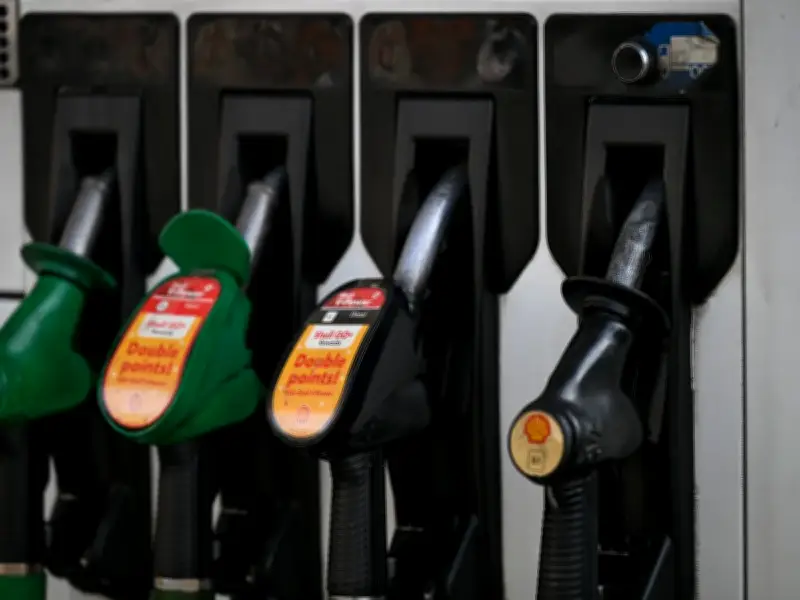
Near real-time petrol and diesel prices will be shown on Google Maps for the first time, using data from the government's Fuel Finder scheme, with ministers claiming motorists could save an average £40 a year by seeking out the best prices.
New feature aims to ease fuel cost burden
The move comes as millions of Brits face pain at the pumps due to soaring fuel costs, which have surged amid an energy shock resulting from the ongoing Middle East war. The new feature will display locations as well as pricing, helping drivers find cheaper fill-ups in their area.
Chancellor John Healey said: “Getting the best price at the pump is now easier. This doesn’t fix everything; bills have gone up because of events in the Middle East. But we’re not powerless. And small changes like this, cutting tax on electricity bills and capping bus fares at £2 all help give families a bit of breathing space.”
Fuel Finder scheme and industry reaction
The Fuel Finder scheme was created to gather pump price data from forecourt operators, following a recommendation by the Competition and Markets Authority. Since February, it has been compulsory for petrol stations across the UK to report the price of their fuel within 30 minutes of it changing or risk a fine.
Polly Billington, Minister for Energy Consumers, said: “Tackling the affordability crisis is our first responsibility and for so many families and businesses, petrol and diesel are essential goods, not luxuries. Accessing the cheapest fuel should be simple, which is why it is a gamechanger for near real-time fuel prices to be shown on Google Maps for the first time in the UK, helping drivers to find the best deal and save money at the pump.”
Experts welcome transparency but call for accuracy
Edmund King, the AA’s president, said: “Getting transparent fuel prices onto Google Maps is a massive step forward and means most drivers will have easy access to pump prices. Hopefully, this high-level pump-price transparency will also encourage more competitive prices from retailers. More transparent prices should reduce the extent of rampant price-matching between fuel stations that is currently seen in many areas. Those competitive forecourts that break rank and offer lower fuel prices can be found if drivers look hard enough and will now stand out more.”
Michael Passingham, Which? cars expert, said: “With fuel prices piling pressure on household budgets, making it easier to compare prices and find cheaper fuel is good news for motorists. Having prices readily available on Google Maps should make it much simpler for more drivers to shop around. However, tools like this are only useful if the information they provide is accurate and up to date. If service stations fail to update their Fuel Finder data, then the Competition and Markets Authority needs to step in to make this work.”