

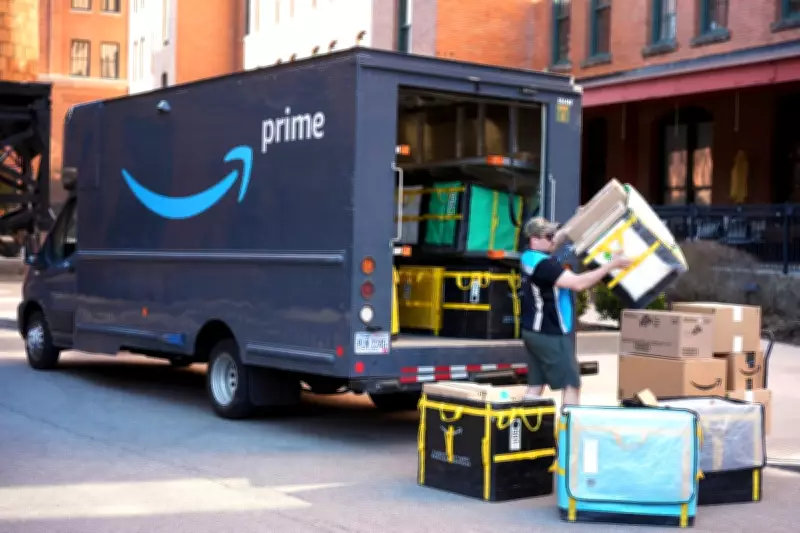
Total annual online shopping sales have surged by nearly 400 percent since 2015, and the e-commerce sector shows no signs of slowing down. According to a recent analysis from research and consulting firm Forrester, US e-commerce sales are projected to hit $1.8 trillion by 2030, accounting for 29 percent of all retail sales.
Explosive Growth Trajectory
If these projections hold, the US online shopping market will have more than doubled its market share and increased sales by over 400 percent since 2015. For context, e-commerce sales generated just $4.5 billion in the final quarter of 1999. The industry has experienced tremendous expansion, taking 18 years to surpass $100 billion in a single three-month period, but only seven years to exceed $300 billion, as reported by the Census Bureau.
The Gen Z Influence
Forrester attributes much of this anticipated growth to tech-reliant Gen Z consumers entering the workforce, earning higher incomes, and directing their spending online. This generation is redefining digital consumption patterns, with 44 percent of Gen Z shoppers having purchased items directly from social media platforms, according to data firm Numerator. TikTok and Facebook together account for 38 percent of all social media purchases among this demographic.

"Gen Z is redefining what it means to be a digital consumer," noted a logistics expert from DHL in an analysis of the generation's retail behavior. "From fashion and beauty to wellness and entertainment, this generation is highly engaged—and ready to spend—especially when products reflect their personal values or help them express their identity."
Retail Giants and Market Dynamics
Amazon continues to dominate the online retail landscape, capturing 35.7 percent of sales in 2025, as reported by e-commerce intelligence firm Marketplace Pulse. Walmart and Target also rank among the favorite retailers for Gen Z shoppers, with Target's share of Gen Z retail dollars being twice the national average, according to Numerator.
In 2025, US consumers spent an estimated $1.5 trillion via online shopping, according to retail experts Digital Commerce 360. Platforms like Shopify have further democratized e-commerce, enabling individuals to easily set up online shops. Shopify's popularity has grown so significantly that it held a 14 percent e-commerce market share in 2025.
Logistics and Efficiency Gains
Improvements in logistics—the movement of materials and goods through supply chains—are also expected to boost e-commerce efficiency and drive better sales figures. One notable trend is the rise of drop-shipping, which allows online retailers to ship directly from manufacturers and warehouses, reducing inventory acquisition and management costs.
AI software engineering and consultancy TechBlocks highlighted that innovations like drop-shipping, along with platforms such as Shopify and Squarespace, are making it easier for businesses to operate efficiently and scale their online presence. These advancements are crucial in supporting the projected growth, ensuring that the infrastructure can handle increased demand.
As Gen Z's spending power continues to grow and logistics technologies evolve, the e-commerce industry is poised for a transformative decade, reshaping retail landscapes and consumer behaviors across the United States.






