Utah Imposes Harsher Penalties on Retailers for Overcharging Customers
Utah has introduced a stringent new law aimed at combating chronic overcharging by retailers, with the legislation set to take effect on 6 May. This move comes directly in response to a Guardian investigation that exposed widespread pricing discrepancies at two major national chains, Dollar General and Family Dollar. According to an official overseeing the state's price-accuracy inspections, the law was crafted to address these issues head-on.
Investigation Reveals Widespread Pricing Failures
The Guardian's investigation, published in December, uncovered alarming patterns of overcharging at dollar stores across the United States. These chains, which market themselves as affordable options for cost-conscious families, frequently displayed one price on shelves while charging a higher amount at the register. Between 2022 and 2025, Dollar General stores failed over 4,300 government price-accuracy inspections across 23 states. Similarly, Family Dollar failed more than 2,100 inspections in 20 states during the same period.
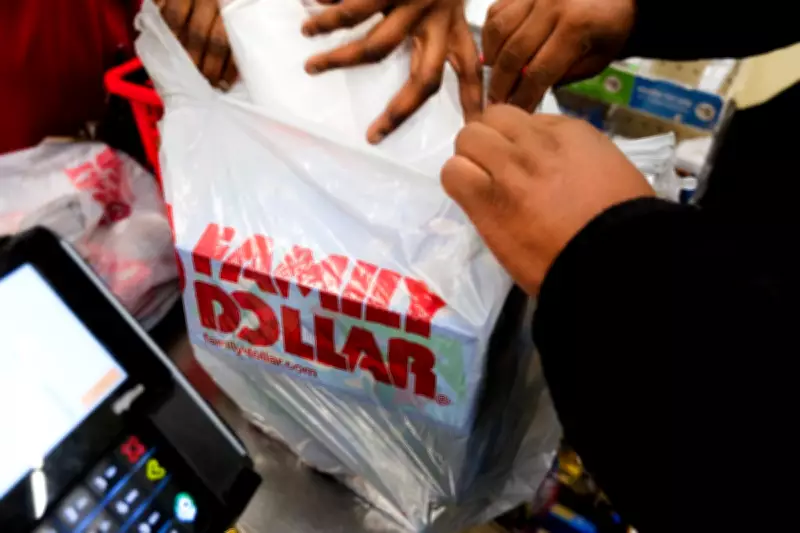
One of the most egregious offenders was a Family Dollar store in Provo, Utah, a city of 115,000 residents that includes Brigham Young University. State records indicate this store failed 28 pricing inspections over four years. During a single visit, an inspector found overcharges on 48% of tested items, including essentials like baked beans, Ivory soap, frozen pizza, and disposable diapers.

Lawmaker Action and Public Response
State representative Candice Pierucci, a Republican who sponsored the Utah bill, highlighted the Provo store's 48% overcharge rate when introducing the legislation in February. She emphasized that many shoppers, especially those managing families, often overlook these discrepancies at checkout. "If you're like me, once you get to checkout, at that point I'm wrangling two kiddos and I'm not really checking what the amount is," Pierucci said. "I just assume they're being honest with the prices listed."
After the Guardian's article was published, Utah legislators contacted the state's department of agriculture and food to explore ways to prevent repeated overcharges. Miland Kofford, who heads the agency's weights-and-measures program, noted that Utah's large average household size makes residents particularly sensitive to rising costs. "With inflation and price of everything going up," he said, "big families are trying to budget their money the best they can."
New Fines and Corporate Accountability
Historically, civil penalties for repeat offenders in Utah maxed out at $5,000 per failed inspection, a sum companies often paid without protest. However, in March 2025, Family Dollar missed a payment deadline for a fine at the problematic Provo store, causing the penalty to automatically double to $10,000. Kofford observed that this higher amount prompted immediate corporate attention, leading to management changes at the store. "Soon as it doubled to $10,000, we got calls from corporate saying, 'What's going on? We can't be paying $10,000,'" he told the Guardian.
Recognizing $10,000 as a critical threshold for eliciting executive action, the new law imposes a $10,000 fine per failed inspection starting with the sixth violation. Passed with bipartisan support, these increased penalties apply not only to dollar stores but also to supermarkets, box stores, and other retailers. Family Dollar did not respond to inquiries about the failed inspections or the new law, while both chains have previously stated their commitment to pricing accuracy in public statements.
This legislative change underscores a growing effort to protect consumers from deceptive pricing practices, especially in an era of economic strain. By strengthening enforcement mechanisms, Utah aims to ensure that retailers adhere to advertised prices, thereby fostering greater trust and fairness in the marketplace.