
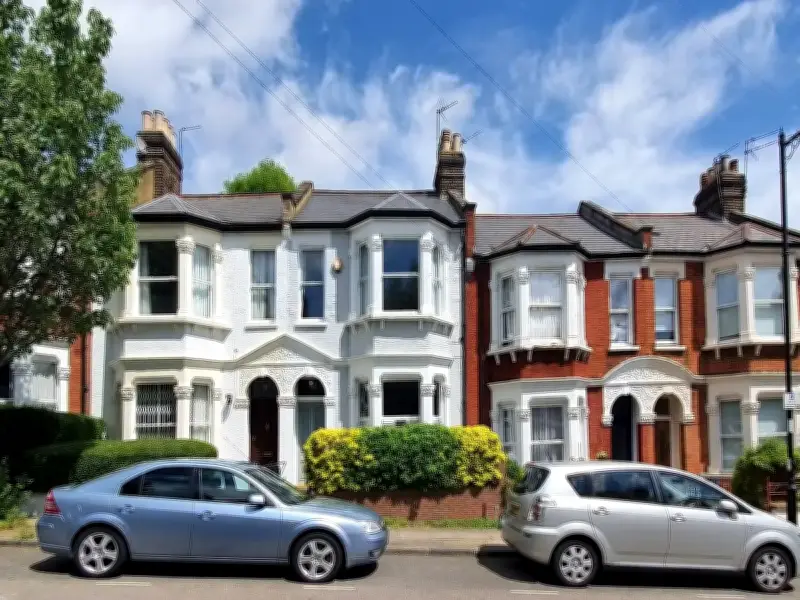
Homeowners often feel strongly about the space outside their property, especially when someone parks there without permission. Parking disputes can cause serious tension between neighbours, but knowing what the law says can help you handle the situation correctly.
Legal adviser Mariam Abu Hussein at Lawhive has explained your rights and responsibilities when it comes to parking outside your house under UK law.
Private and public roads
Public roads are maintained and overseen by your local council or Government departments. Because they are accessible to everyone, you are entitled to park on them as long as you follow local parking regulations and guidelines.
Private property, such as a driveway or designated parking space, belongs to a particular individual or organisation. The owner has the authority to decide who may park there. If someone leaves a vehicle on private property without permission, it constitutes trespassing, and the owner is within their rights to have it removed.
Can you claim the space in front of your house?
If the parking area in front of your home is on your own private property, such as a driveway, you are entitled to set and enforce your own parking rules. However, if the space is on a public road, you cannot claim it as your personal parking spot, even if it is right outside your front door.
Anyone is generally free to park there, provided they abide by local parking laws. When a vehicle parks across your dropped kerb and blocks access to your driveway, this is illegal, and you can contact your local council or the police, as it stops you from getting in and out of your property.
Asking someone not to park and 'no parking' signs
Mariam pointed out that any request not to park in front of your house on a public road is a courtesy and not a legal requirement. She explained that they do not have to accommodate your request, and there is no legal recourse for refusal provided the person follows local parking regulations and restrictions.
You are free to put up a "no parking" sign outside your home, but it is not legally enforceable unless it is part of an official scheme approved by the local council. To have a sign with legal power, you must go through your local council to request an official sign be installed, as the council has specific criteria and processes for installing official signage.
Blocking driveways and reporting illegal parking
According to the UK Highway Code, parking in front of a dropped kerb is illegal because these spaces are designed to keep driveways accessible and must remain unobstructed at all times. The same rule applies to shared driveways.
Local councils and law enforcement teams enforce driveway-blocking regulations and have the authority to issue fines, impose penalties, or remove vehicles parked illegally. In most cases, contacting your local council is the best course of action to report illegal parking, as they usually have dedicated departments or parking enforcement units.
If the violation poses an immediate safety risk or causes a disturbance, you can ring the police non-emergency line or file a report through their online platform. Mariam urged people to use official channels and not take matters into their own hands or confront the individual parking illegally, as this can escalate the situation.




