
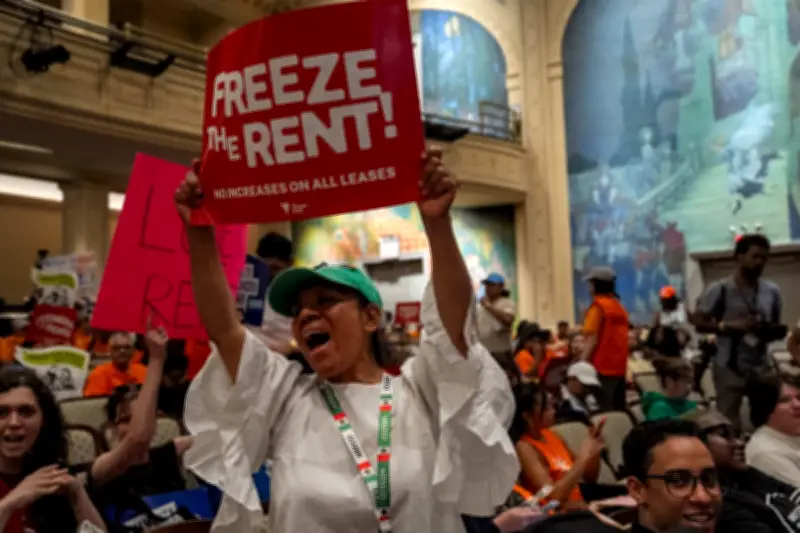
The New York City Rent Guidelines Board voted on Tuesday to freeze rents for the city's approximately 1 million rent-stabilized apartments for two consecutive years, a move that tenant advocates hailed as a historic victory but landlords warned would drive them out of business.
The 5-4 vote marked the first time since 2015 that the board has blocked landlords from increasing rents on stabilized units. The freeze applies to one-year and two-year lease renewals beginning on or after October 1, 2026.
What the Rent Freeze Entails
Under the measure, tenants renewing their leases will pay the same rent for the next two years. The board also voted to maintain existing rent levels for tenants who sign new leases, effectively freezing rents across the board for stabilized apartments.
"This is a monumental step for working-class New Yorkers who have been crushed by rising rents," said Cea Weaver, a spokesperson for the tenant advocacy group Housing Justice for All. "For too long, landlords have been allowed to jack up rents while tenants struggle to make ends meet."
Impact on Tenants
The freeze comes as New York City faces a severe housing affordability crisis. According to the city's Housing and Vacancy Survey, more than half of all renters in the city are rent-burdened, meaning they spend more than 30% of their income on rent. The freeze will provide immediate relief to hundreds of thousands of households.
"My rent has gone up every single year for the past decade," said Maria Torres, a tenant in Washington Heights. "This freeze means I can finally breathe and maybe save a little money for my kids."
Landlord Opposition
Landlord groups argued that the freeze would devastate small property owners already struggling with rising costs for maintenance, insurance, and property taxes. "This is a death sentence for mom-and-pop landlords," said Joseph Strasburg, president of the Rent Stabilization Association. "Without the ability to raise rents to cover costs, many will be forced to sell or convert their buildings, reducing the supply of affordable housing."
The Rent Stabilization Association estimates that the freeze will cost landlords $1.2 billion in lost revenue over two years. Some landlords have threatened legal action, claiming the board overstepped its authority.
Political and Economic Context
The vote came after months of contentious hearings and lobbying by both sides. Mayor Eric Adams, who appoints the board members, had remained neutral on the freeze but stressed the need for a "balanced approach" that protects tenants without harming small landlords.
The board's decision reflects growing political pressure to address housing affordability in the city. A recent poll by the Citizens Budget Commission found that 72% of New Yorkers support rent regulation as a tool to keep housing affordable.
Economists are divided on the long-term effects. Some argue that rent freezes discourage new construction and maintenance, leading to a deterioration of housing stock. Others contend that in a city with a severe shortage of affordable units, such measures are necessary to prevent displacement.
What Happens Next
The freeze will take effect automatically for all rent-stabilized leases signed after October 1. Tenants who are currently in the middle of a lease will see no change until their renewal date. The board will revisit the issue next year to consider whether to extend the freeze.
"This is not the end of the fight," said Weaver. "We need permanent rent control and more funding for public housing. But tonight, we celebrate."




