
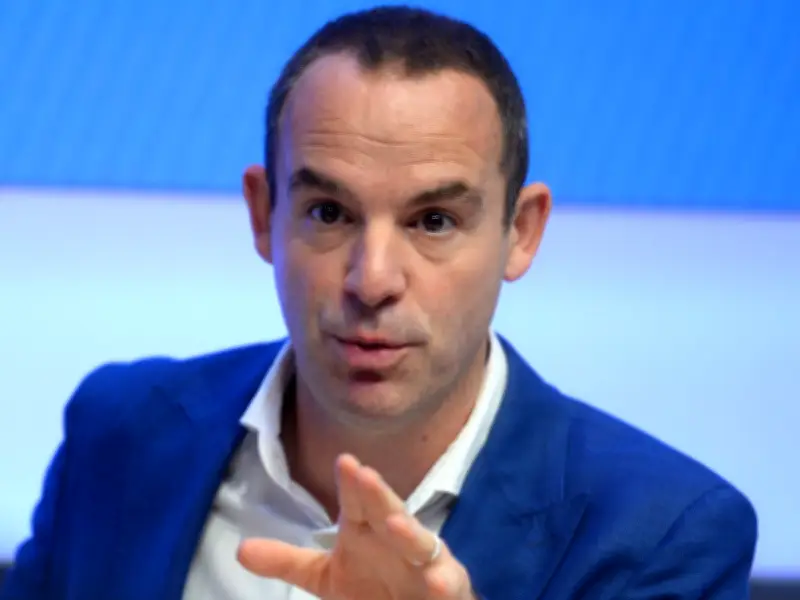
Martin Lewis calls for ban on above-inflation mid-contract price hikes
Martin Lewis has urged the government to ban above-inflation mid-contract mobile and broadband price increases after new research by MoneySavingExpert (MSE.com) indicated that Ofcom's current regulations have left many customers paying more. The analysis, which examined over 47,000 tariffs from the UK's largest providers, found that three in four contracts cost more under the new system than under the previous inflation-linked model.
The findings come ahead of Lewis giving evidence to the House of Commons Public Accounts Committee on Monday as part of an inquiry into broadband, water, and energy costs. The current rules, introduced by communications regulator Ofcom in January 2025, require providers to inform customers in pounds and pence of any future bill increases before signing a contract. Alternatively, firms can raise prices during a contract if they give 30 days' notice and allow customers to leave penalty-free.
Research reveals widespread overcharging
According to MoneySavingExpert, the changes were intended to improve transparency after millions of customers faced inflation-linked price hikes while locked into fixed-term contracts. However, the consumer website's research suggests the opposite effect for many households. It found that 99% of mobile tariffs with less than 10GB of data were more expensive under the new system than under the previous inflation-linked model. All 150Mbps broadband tariffs analysed were also worse off.
Almost all customers faced above-inflation price rises under the new approach, with those on cheaper tariffs losing out the most. For example, a customer who signed up for a Vodafone 3GB mobile contract costing £10 a month in December 2024 would now be paying £13.60 a month after two annual increases of £1.80. Under Vodafone's previous pricing structure, where bills increased by inflation plus 3.9%, the customer would be paying around £11.40 a month – roughly 16% less than under the current system.
Lewis criticises Ofcom's approach
Martin Lewis, founder of MSE.com, said: "This was frustratingly predictable. Let's be plain, it provisionally looks like the regulator's intervention resulted in most contracts costing more. Transparency only goes so far, we don't want customers overpaying just because they were told about it first. The solution has always been bleedin' obvious. Just ban above-inflation mid-contract price hikes."
He added: "Of course, many, including me, would prefer a ban on any mid-contract rise, as the price you sign up for should be the price you pay over the length of the contract. Yet that risks possible market distortion, as firms may lift initial prices as a provision against unexpected costs mid-contract. So, a simple, 'no rises above inflation' rule seems a reasonable compromise. And our research shows compared to Ofcom's solution, if this had been in place it would've meant lower rises for over 99% of people."
Premium customers benefit, low-cost users lose
MoneySavingExpert also found that customers on premium mobile and broadband packages were the only group likely to benefit from the current pricing model, while those choosing lower-cost deals experienced the largest percentage increases. The consumer website said a family with four low-data mobile contracts and a basic broadband package could end up paying £28 a month more by April 2027 than when they first signed up, representing a 39% increase on their original monthly bill.
Lewis also criticised a loophole that still allows providers to increase prices during a contract if they give customers notice and let them leave without penalty, arguing that the current system should be scrapped in favour of a straightforward ban on above-inflation mid-contract price rises.




