
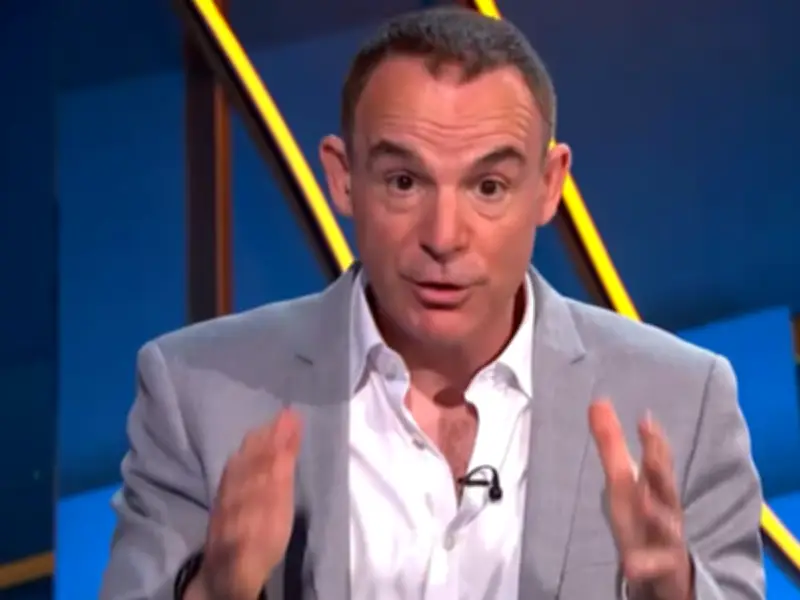
Martin Lewis is urging Ofcom to scrap new rules designed to curb mid-contract price rises for mobile and broadband customers, after research from MoneySavingExpert (MSE) found the regulations may have actually increased costs. The rules, implemented in early 2025, required providers to state price rises in pounds and pence at the point of sale but still allowed mid-contract increases if customers were given 30 days to leave penalty-free after notification.
Research Reveals Higher Costs Under New System
MSE analysed over 47,000 tariffs and found that three in every four had higher costs under Ofcom’s new system compared to the previous inflation-linked rules. In almost all cases, customers faced above-inflation price rises. Those who chose cheaper tariffs to keep costs down may have been hit hardest.
Lewis called the outcome “frustratingly predictable” and said: “It’s time to just scrap these rules and do the bleedin’ obvious – ban above inflation mid-contract price hikes!” He will give evidence to the House of Commons Public Accounts Committee on broadband, water and energy costs on June 29.
Lewis Advocates for Simple Ban on Above-Inflation Rises
Lewis argued that transparency alone is insufficient: “Transparency only goes so far, we don’t want customers overpaying just because they were told about it first.” He suggested a ban on any mid-contract rise would be ideal but acknowledged it could distort the market by prompting firms to lift initial prices. A compromise of banning rises above inflation, he said, would have meant lower rises for over 99% of customers if implemented instead of the transparency rules.
Lewis criticised the Telecoms Charter agreed last year, which only prevented firms from applying “price hikes on a price hike” and allowed Sky to opt out of transparency rules by offering a 30-day exit window. He recommended two exit windows: one upon notification and another after the price rise takes effect, when many customers actually notice the increase. “Better still though, just scrap the whole thing and ban rises above inflation,” he added.




