Kentucky Enacts Law Shielding Bayer from Roundup Cancer Lawsuits Amid Supreme Court Battle
Kentucky Law Shields Bayer from Roundup Cancer Lawsuits

Kentucky Lawmakers Override Veto to Protect Bayer from Roundup Cancer Claims

Kentucky's Republican-led General Assembly has enacted a new law that could shield global agrochemical manufacturer Bayer from state lawsuits alleging it failed to warn customers that its Roundup weedkiller could cause cancer. The legislature overrode Democratic Governor Andy Beshear's veto on Wednesday, making Kentucky the third state to pass such legislation after North Dakota and Georgia.

Multi-Pronged Legal Battle Intensifies

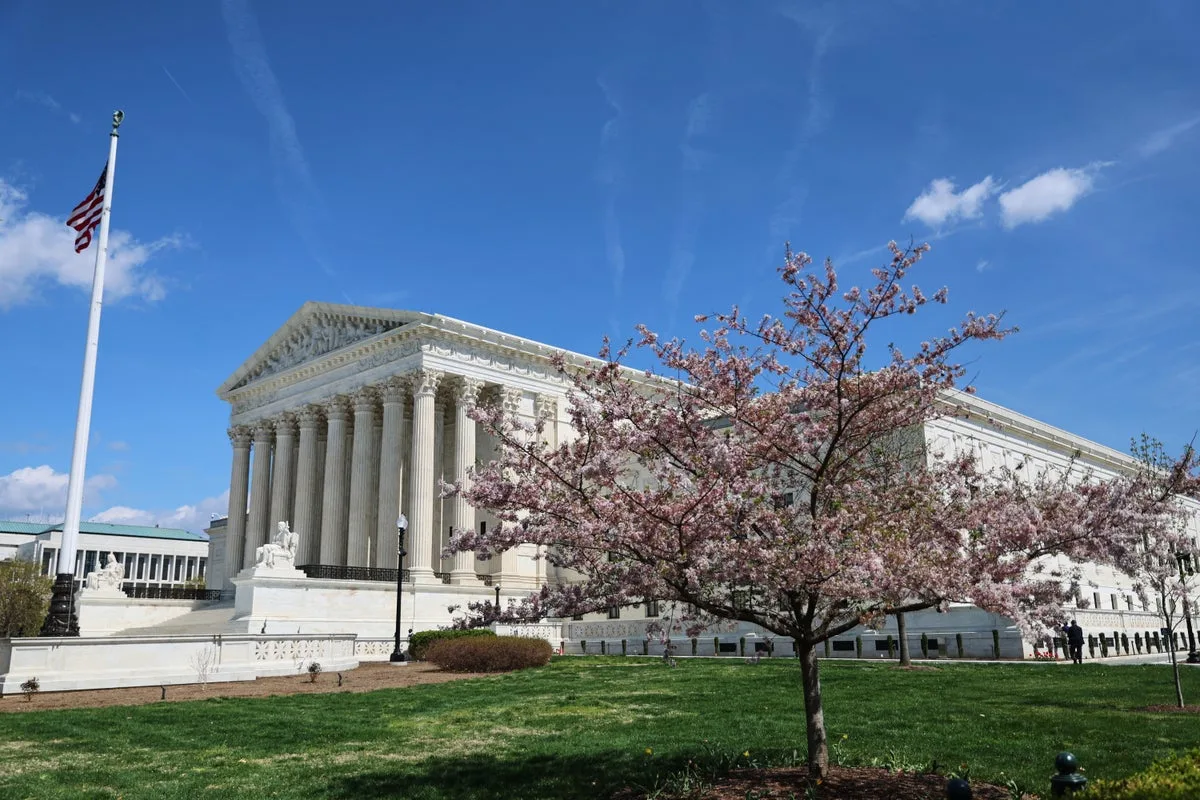
The Kentucky legislation comes just weeks before the U.S. Supreme Court is scheduled to hear arguments in a Missouri case that could establish nationwide protection against liability lawsuits involving pesticides. Simultaneously, Bayer is seeking court approval for a $7.25 billion settlement that could resolve tens of thousands of claims alleging Roundup caused non-Hodgkin lymphoma.

These coordinated actions in state capitols and courtrooms highlight the significant financial pressure facing the Germany-based company, which is also known for its pharmaceutical products. The controversy has exposed divisions among political factions, including supporters of former President Donald Trump and the Make America Healthy Again movement.

Wide Pickt banner — collaborative shopping lists app for Telegram, phone mockup with grocery list

Roundup's Controversial History

Monsanto first introduced Roundup weedkiller in 1974 with glyphosate as its active ingredient. The product quickly became one of the world's most widely used agricultural herbicides, particularly when paired with genetically modified seeds resistant to its effects. This combination allowed farmers to increase production while reducing soil tilling.

Bayer inherited Roundup and its mounting legal challenges when it acquired Missouri-based Monsanto in 2018. Approximately 200,000 Roundup-related claims have now been filed against the company, with plaintiffs alleging glyphosate exposure caused non-Hodgkin lymphoma.

While Bayer disputes the cancer-causing assertions, the company has stated that legal costs threaten its ability to continue selling glyphosate-based products in U.S. agricultural markets. The company has already removed glyphosate from new residential versions of Roundup.

Scientific and Regulatory Context

The U.S. Environmental Protection Agency maintains that glyphosate is "not likely to be carcinogenic to humans when used as directed." The federally approved label for Roundup contains no cancer warning, though some independent studies have associated glyphosate with cancer risks.

Legislative Strategy to Block Lawsuits

At the core of most lawsuits is the claim that Roundup's manufacturer failed to adequately warn customers about potential cancer risks. Bayer has partnered with agricultural organizations through the Modern Ag Alliance to support legislation declaring that federally approved pesticide labels satisfy all state-level warning requirements.

"Farmers need clear, consistent rules to plan for the future and keep their operations profitable," said Elizabeth Burns-Thompson, executive director of Modern Ag Alliance, praising the Kentucky legislation.

Governor Beshear, a former state attorney general, countered that the measure "would allow dangerous pesticides to be sold without having labels warning of the risks of using them. It flies in the face of making America healthy." He noted that numerous other consumer products already carry warning labels.

Supreme Court Showdown Approaches

The Supreme Court will hear arguments on April 27 in a Missouri case where a jury awarded $1.25 million to a man who developed non-Hodgkin lymphoma after spraying Roundup on a community garden. Jurors found Monsanto liable for failure to warn about risks.

Bayer argues that federal pesticide laws preempt state-level failure-to-warn claims, asserting that states cannot require additional labeling beyond federal standards. The Trump administration has supported Bayer's position, reversing the Biden administration's stance and creating tension with some health-focused political groups.

Pickt after-article banner — collaborative shopping lists app with family illustration

The case has attracted significant attention, with agricultural groups, business associations, healthcare organizations, plaintiffs' attorneys, and state officials filing approximately 30 separate legal briefs. Among them, former EPA officials argue that state lawsuits should proceed because Bayer never proposed cancer warnings to the EPA, meaning the absence of such labeling shouldn't preempt legal claims.

Proposed Settlement Framework

A St. Louis Circuit Court judge granted preliminary approval last month to a settlement that could resolve most pending and future failure-to-warn claims involving Roundup. The agreement establishes a notification period ending June 4, during which claimants can opt out.

The proposed settlement requires Bayer to make annual payments into a special fund for up to 21 years, potentially totaling $7.25 billion. Individual compensation would vary based on:

  • Type and duration of Roundup exposure
  • Age at diagnosis
  • Severity of non-Hodgkin lymphoma

Under the settlement terms, agricultural, industrial, or turf workers with prolonged Roundup exposure would receive approximately $165,000 if diagnosed with aggressive non-Hodgkin lymphoma before age 60. Those diagnosed at age 78 or older would average $10,000.

This settlement would mitigate risks from the Supreme Court's eventual ruling, ensuring compensation for patients even if the court rules in Bayer's favor, while protecting Bayer from potentially larger liabilities if the court rules against the company.




