
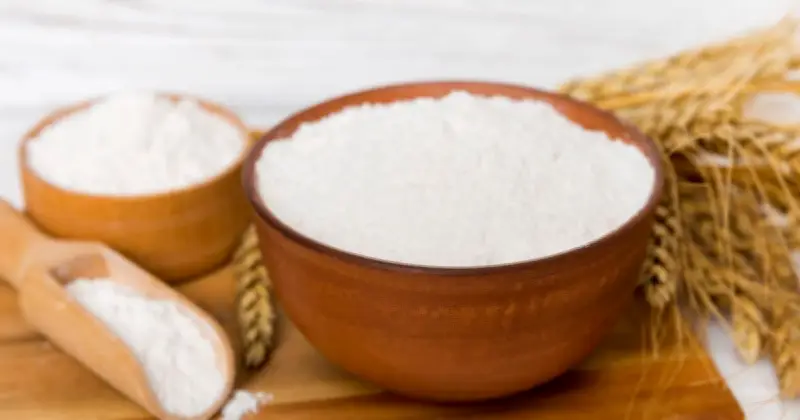
Plain flour and self-raising flour are both staples in British kitchens, but they are not interchangeable. The critical difference is that self-raising flour contains baking powder, a leavening agent that helps cakes and sponges rise. Using plain flour in a recipe that calls for self-raising will result in a dense, flat bake, according to baking experts.
What Is Plain Flour?
Plain flour, also known as all-purpose flour in some countries, is made by milling wheat grains into a fine powder. It is the most common type of flour found in UK supermarkets and is used for a variety of purposes beyond baking, including thickening sauces and stews. Flour can also be made from other grains, seeds, roots, or vegetables, but wheat flour dominates the market.
What Is Self-Raising Flour?
Self-raising flour is simply plain flour with baking powder added. The baking powder acts as a raising agent, producing carbon dioxide gas when mixed with liquid and heat, causing the batter to expand. This makes self-raising flour ideal for sponges, cupcakes, and other baked goods that require a light, airy texture.
How to Substitute Plain Flour for Self-Raising Flour
If a recipe calls for self-raising flour but you only have plain flour, you can make your own. A common ratio is one teaspoon of baking powder per 150g of plain flour, though some cooks recommend slightly more or less depending on the recipe. Mix the baking powder thoroughly into the flour before using. Conversely, if you only have self-raising flour but need plain flour, you can omit the baking powder, but the result may still have a slight leavening effect.
US vs UK Self-Raising Flour
In the United States, self-raising flour often contains added salt in addition to baking powder. This is not typical in the UK. When following an American recipe, bakers should check the salt content and adjust the amount of salt added to the recipe accordingly to avoid an overly salty result.
Tips for Perfect Bakes
Getting the flour right is essential for baking success. Using the wrong type can lead to flat cakes or overly dense textures. For best results, always check the recipe requirements and measure ingredients accurately. Self-raising flour saves time by eliminating the need to measure baking powder separately, allowing bakers to focus on other elements like icing or jam.




