
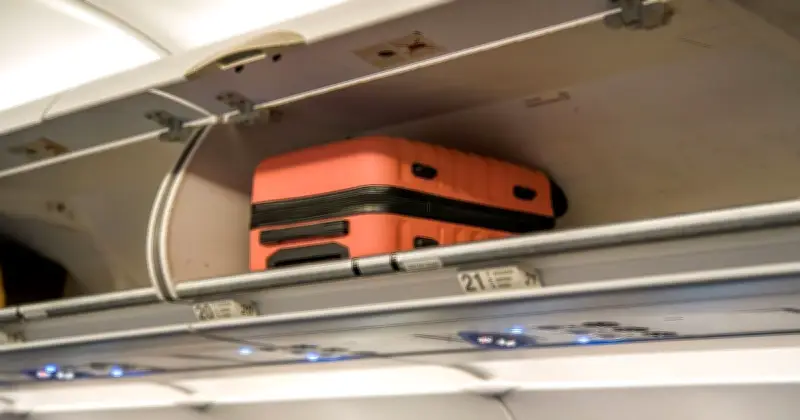
A landmark EU agreement could force budget airlines including Ryanair, Wizz Air, and easyJet to include a free cabin bag in the base fare, ending the practice of charging separately for hand luggage. The proposal, reached after nearly a decade of negotiations between the European Council and the European Parliament, would require airlines to display fares that include one free piece of hand baggage by default before any booking process begins.
What the New Rule Entails
Under the proposed change, passengers would be entitled to carry one small personal bag (maximum dimensions 40cm x 30cm x 15cm, typically an under-seat handbag, backpack, or laptop bag) plus one small wheeled cabin bag, widely expected to follow the 7 kg and 100 cm combined dimensions from the parliamentary position. According to aviation expert James Doyle (FRAeS), speaking exclusively to the Mirror, the rule is designed to prevent travellers from being caught out by hidden costs, as airlines must include both the flight fare and luggage costs as standard before customers begin booking.
Impact on Passengers and Pricing
James Doyle explained that low-cost carriers will almost certainly raise standard ticket prices to recover lost revenue from baggage fees. The real saving depends on comparing the total cost, including any 'no wheeled bag' discount option. Light travellers who previously paid €20–60 or more for priority or small cabin bags may benefit most, while those who always flew with just a personal item might see little net gain or even pay more. Carriers must let passengers choose a cheaper fare if they decline the small wheeled bag during booking, useful for those who only need the personal item.
Applicability to UK Flights
Unfortunately, the rules apply most clearly to EU airlines and flights within the EU. UK carriers such as easyJet, British Airways, and Jet2 would only be required to comply on flights returning from the EU to the UK, meaning British travellers could still face hand luggage charges on one leg of their trip. James cautioned that long-haul, non-EU carriers, or certain UK–EU routes may have partial or delayed coverage.
Timeline and Implementation
The proposal remains under negotiation, but if officially adopted, changes could be rolled out within a year. James stated that current cabin bag fees remain fully in force for all 2026 and most 2027 bookings. Airlines are unlikely to overhaul policies overnight; travellers should expect possible early marketing spin, inconsistent gate enforcement during rollout, and a period of confusion or disputes as staff and systems adapt. He advised checking specific flight terms closer to travel and watching for airlines shifting revenue elsewhere, such as higher seat-selection fees, priority boarding charges, stricter change or cancellation rules, or new basic fare tiers.
James concluded that the change is broadly passenger-friendly and ends the worst 'gotcha' cabin-bag fees, but it is not a pure win for everyone. He urged travellers to always compare the full journey price, pack and measure to the new standards, and treat 2027 as the real start date rather than assuming instant change.




