
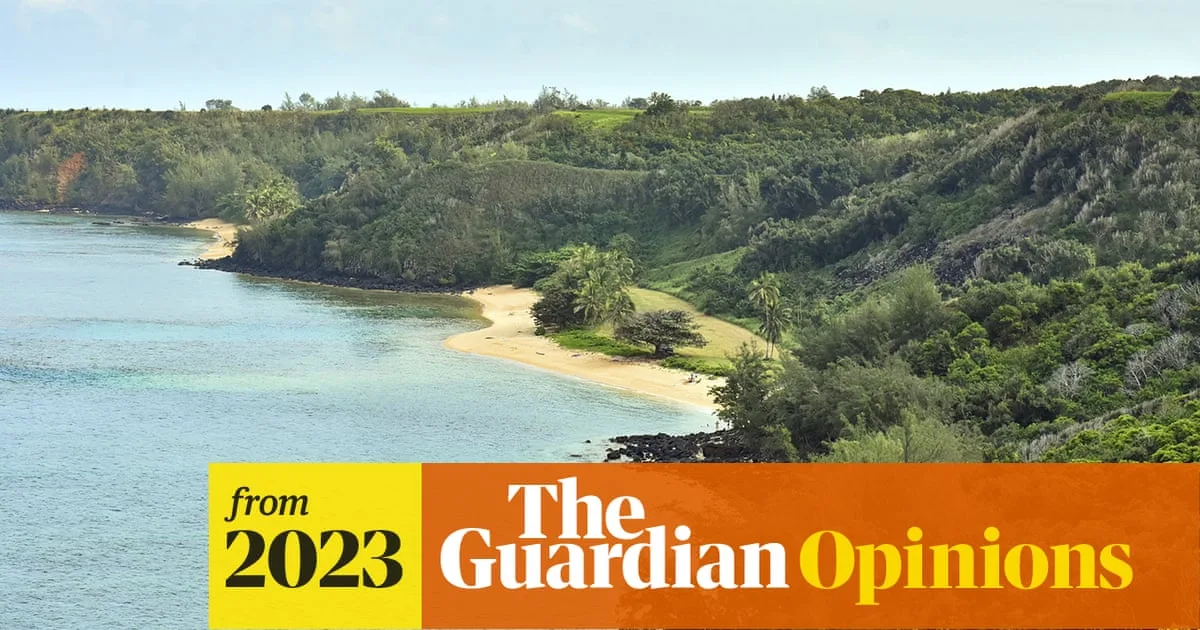
Mark Zuckerberg, the Facebook founder and one of the world's richest men, is building a sprawling 1,400-acre compound on the Hawaiian island of Kauai, complete with a 5,000-square-foot underground bunker designed to survive an apocalypse. The $270 million project, detailed in a Wired investigation, includes mansions, treehouses, tunnels, and a blast-resistant door, with its own energy and food supplies.
The development has reignited debate about the priorities of billionaires who publicly champion equality while privately preparing for societal collapse. In 2015, Zuckerberg announced he would give away most of his wealth, writing in a letter to his daughter that his goal was 'promoting equality' and channelling 'the talents, ideas and contributions of every person in the world.' Critics now question how such a shelter aligns with those ideals.
Journalist Hamilton Nolan, writing in The Guardian, argues that 'a millimetre below every billionaire's charitable spirit lies an endless well of self-preservation.' He contends that the bunker 'gives the lie to everything that Zuckerberg and his moneyed peers say about the rising tide that lifts all boats,' suggesting that charitable donations serve only to pacify the public while the wealthy secure their own survival.
Nolan further notes that moral philosophers have long argued that giving away some money does not absolve the wealthy from ethical responsibility for how the rest is used. 'To feed one hungry child and then let a thousand more starve as you build your mansion is not an act that balances the scales of right and wrong,' he writes, calling on the ultra-rich to use their resources to help the needy rather than fortify themselves against a future they fear.




