Youth Homelessness in Britain Jumps by Nearly 7,000 in a Single Year
Britain is facing a deepening crisis as the number of young people sleeping rough on the streets has surged by almost 7,000 in just one year. According to the latest damning statistics from the charity Centrepoint, this alarming increase marks the third consecutive year that youth homelessness has risen across the United Kingdom.
Record Numbers of Young People Without Shelter
The data reveals that between April 2024 and March 2025, a staggering 123,934 young people aged 16 to 24 were facing homelessness. This represents a significant rise from 116,947 in the previous twelve-month period, underscoring a troubling trend of growing housing insecurity among Britain's youth.
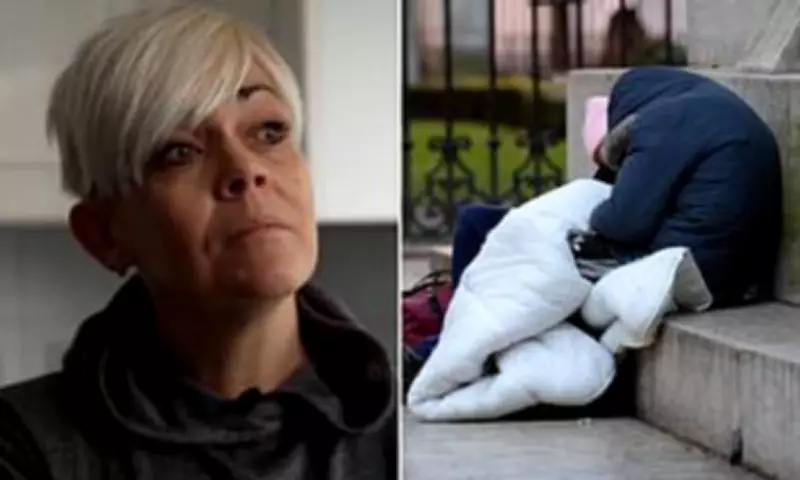
One heartbreaking example is Michelle and her three young children from Birmingham. The family was forced to sleep in Michelle's car after the local council refused to provide them with housing. Speaking to Good Morning Britain, Michelle described the ordeal as 'pretty damn scary', expressing profound shame and guilt for having to put her children through such a traumatic experience.

Regional Variations in Homelessness Figures
The rise in youth homelessness was not uniform across all four nations. While Northern Ireland saw a slight decrease from 2,896 to 2,889 cases, the other regions experienced significant increases:
- Wales recorded the largest percentage increase at eight per cent, with numbers rising from 5,433 to 5,856.
- England saw a six per cent rise from 101,184 to 107,585 young homeless people.
- Scotland experienced a two per cent increase from 7,434 to 7,604 cases.
Charity and Government Responses to the Crisis
Balbir Kaur Chatrik, Centrepoint's director of policy and prevention, warned that 'youth homelessness is at record levels' and described the latest figures as another significant increase. She emphasized the traumatic impact of homelessness on young people, noting that while their peers are focusing on university or careers, vulnerable youth are often stuck in terrifying situations without adequate support.
In response to the crisis, the Government published its long-awaited homelessness strategy for England in December. The plan pledges to halve the number of long-term rough sleepers within five years and prevent more households from becoming homeless. Ministers have outlined how they will utilize £3.5 billion in investment to address what they term a 'profound challenge', focusing on both helping those already on the streets and stopping others from falling into crisis.
Ms. Chatrik acknowledged that the Government's Ending Homelessness Plan represents 'an important step in the right direction' by emphasizing prevention and support. However, she stressed the urgent need to move from planning to delivery, warning that until action is taken, thousands more young people will be left waiting for meaningful help on night buses, strangers' sofas, or worse.
Official Statements and Ongoing Challenges
A spokesperson for the Ministry of Housing, Communities and Local Government stated that the figures highlight why decisive action is needed to end the homelessness crisis. The spokesperson pointed to several measures already implemented, including ending Section 21 'no fault' evictions, committing billions in new funding as part of the National Plan to End Homelessness, and delivering what they claim is the biggest increase in affordable housing in a generation.
The Daily Mail has approached Birmingham City Council for comment on Michelle's case, reflecting ongoing scrutiny of local authorities' roles in addressing homelessness. As the numbers continue to climb, the pressure mounts on both national and local governments to translate strategies into tangible results that provide safe, stable housing for Britain's vulnerable youth.