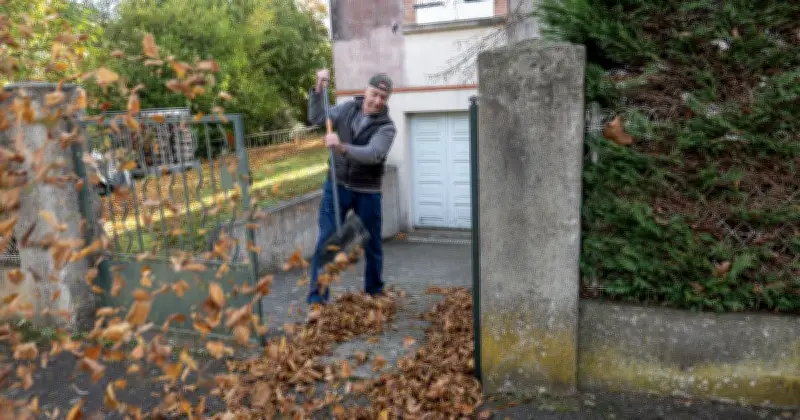
Nearly one in four Brits have suffered a dangerous fall on slippery, wet leaves, according to research from Injury Lawyers 4u, yet under English common law, natural seasonal leaf shedding is legally classified as an ordinary act of nature rather than an actionable nuisance.
Property dispute solicitors told Express.co.uk that it is not as simple as forcing neighbours to grab a rake or split disposal costs.
Homeowners Must Clear Their Own Leaves
Paula Moses, Legal Director at Blacks, warned that homeowners are "usually expected to clear leaves from their own property, even when they originate from a neighbour's tree."
Affected residents have no legal "self-help right" to tell their neighbour to rake up leaf fall. Taylor Rose partner Alex Rooney warns that any clean-up assistance offered remains strictly a neighbourly gesture of goodwill rather than an enforceable duty.
When a Tree Owner Could Be Liable
According to Tree Law, under the tort of negligence, a tree owner is liable only if a claimant proves that a foreseeable hazard was ignored. This includes allowing a rotting branch to collapse onto a nearby roof, rather than ordinary autumn shedding.
That does not always include diseased trees. Stephensons' dispute specialist Joanne Ellis said: "Disease alone does not automatically make a neighbour liable." Heavy leaf fall from a decaying tree will almost never meet the legal threshold for a court claim.
Alex, who is an expert in boundary disputes, says there is an important distinction between a tree physically encroaching onto your land and leaves simply being carried onto it naturally.
A neighbour could, however, face civil liability for resulting flood damage if they are formally warned in writing that their shedding tree is blocking a shared drain and fail to take reasonable steps to prevent the hazard.
Renters' Responsibilities and Shared Areas
For millions of private tenants, Section 11 of the Landlord and Tenant Act 1985 covers only structural repairs to the property. Routine outdoor tasks, such as raking leaves, almost always remain the renter's legal responsibility under standard tenancy terms.
The Injury Lawyers 4u team said: "If the leaves are creating a genuine hazard on a public footpath or another shared area, it is worth contacting the relevant council, landlord or property manager to establish who is responsible for maintenance."