Unite Group Faces Profit Downgrade as International Student Numbers Fall
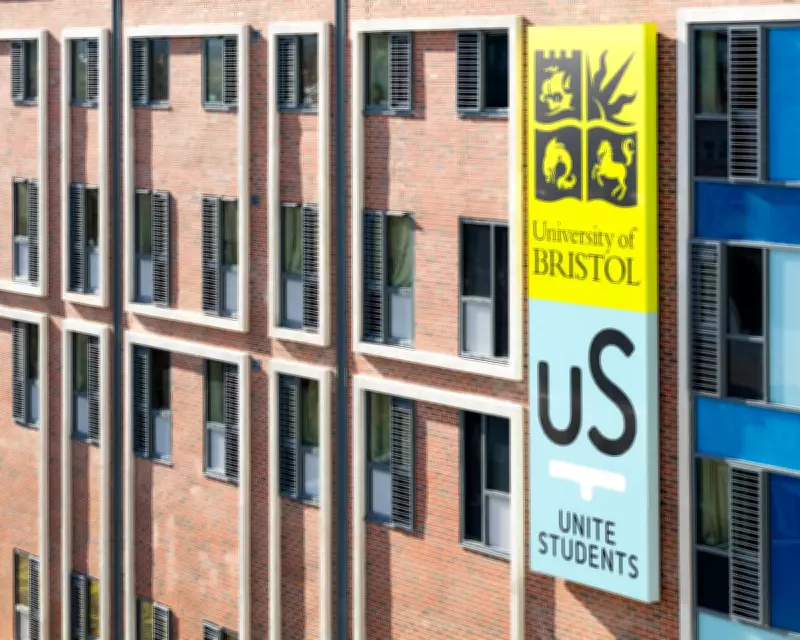
The Unite Group, the UK's premier student housing provider, has been compelled to implement rent reductions and shorten tenancy durations across several key locations, including Bristol, Nottingham, and Edinburgh. This strategic move comes in response to a significant decline in international student enrolment, which has severely impacted the company's financial outlook.
Market Challenges and Financial Adjustments
Shares in the FTSE 250-listed firm plummeted by nearly 10%, reaching their lowest point since early 2015, following the announcement of a third profit downgrade within four months. The company has revealed that only 68% of its beds are reserved for the upcoming academic year starting in September, prompting a shift in focus towards owning and managing accommodations in cities with high-tariff universities. These institutions typically demand top A-level grades and higher Ucas points for admission.
In an effort to bolster its financial position, Unite has accelerated disposals and cost-cutting measures. Notably, the group sold its St Pancras Way property in London, a 571-bed facility, for £186 million to the Unite UK Student Accommodation Fund, a joint venture with Singapore's sovereign wealth fund, GIC.

Rent Reductions and Portfolio Repositioning
Karan Khanna, Chief Operating Officer at Unite, identified Nottingham, Leicester, and Sheffield as the most challenging markets, where rents have been lowered and tenancy lengths reduced from 51 weeks to 44 weeks. Similar adjustments have been made in Bristol and at Burnet Court in Edinburgh, where weekly rents start from £250.
Joe Lister, Chief Executive of Unite, expressed confidence in the global appeal of UK higher education but acknowledged the need for portfolio repositioning. He stated, "We should be focusing on those high tariff universities; we have seen changes in the marketplace coming from the move to more students staying at home and the fall in international postgraduates, and repositioning the portfolio will take some time."
Broader Industry Impact and Future Outlook
Until recently, student accommodation was a thriving segment within Britain's commercial property sector, attracting investors like Blackstone. However, the landscape has shifted due to a decrease in overseas student applications. British universities reported a 6% drop in international postgraduate starters for the second consecutive year, exacerbated by government policies such as a new levy on international students and fewer sponsored study visas.
Unite, which recently acquired Empiric Student Property, adding 7,700 beds across 68 buildings, has warned that occupancy and rental growth will likely fall towards the lower end of its guidance ranges for the 2026-27 academic year. This adjustment is expected to result in like-for-like income growth of zero to 2%, down from previous projections of zero to 4%.
The company aims to achieve annual property sales between £300 million and £400 million, starting this year. As a developer, Unite has abandoned a £147 million project in Paddington and deferred its Freestone Island scheme in Bristol, while exploring options for land holdings that could support an additional 2,400 beds.
Matthew Saperia, an analyst at Peel Hunt, commented, "The job of returning Unite to growth remains considerable, and execution risk remains high." Meanwhile, Chief Financial Officer Michael Burt noted that, despite an increase in new purpose-built student housing supply last year, it remains at approximately half of pre-pandemic levels.