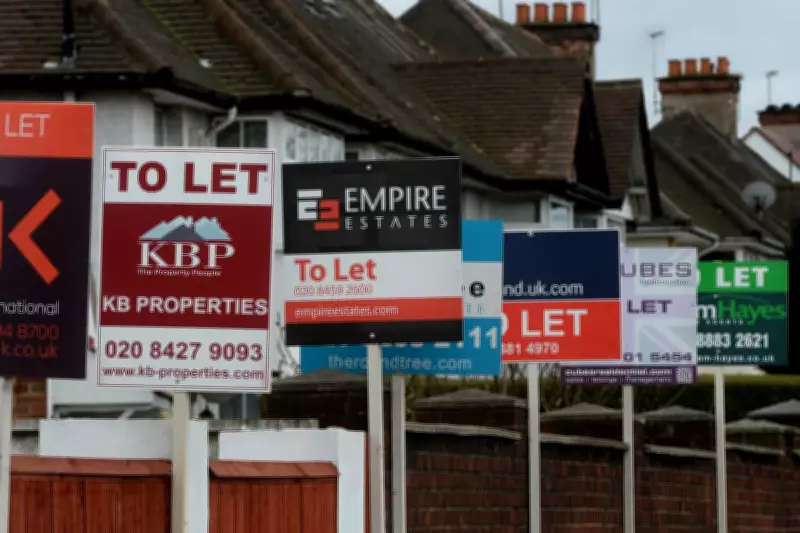
UK Rental Market Experiences Unprecedented Stall Outside London
In a significant shift for the UK property landscape, average asking rents outside London have stalled in early 2026, marking the first time since 2017 that they have not increased between the end of one year and the start of the next. According to data from Rightmove, the property portal, the average advertised rent for homes outside the capital showed a 0.0 per cent change between the fourth quarter of 2025 and the first quarter of 2026.
This unprecedented lack of price growth meant that average asking rents held steady at £1,370 per month. Rightmove emphasised that this is the first instance since 2017 where rents have not risen at the start of the year compared to the previous quarter, highlighting a notable departure from recent trends.
London Bucks the Trend with Modest Increase
In contrast to the stagnation seen elsewhere, London experienced a quarterly increase of 0.7 per cent, pushing the average advertised rent to £2,736 per month in the first three months of 2026. This divergence underscores the capital's unique market pressures and continued demand, albeit at a slower pace than in previous years.

Rightmove reported that more than a quarter (26 per cent) of rental listings have seen a price reduction, the highest proportion recorded at this time of year since records began in 2012. This indicates a growing need for landlords to adjust expectations in response to changing market conditions.
Shifting Demand and Supply Dynamics
The property portal noted that the average rental home now receives eight inquiries, down from 11 a year ago and a peak of 29 in 2022. While this number remains higher than the pre-pandemic average of five inquiries per rental home, it reflects a cooling in tenant demand.
Lower tenant demand and a greater choice of available homes are reducing competition for rental properties, thereby easing upward pressure on rents. However, affordability pressures persist for tenants, with many likely reaching a ceiling for what they can pay, according to Rightmove's analysis.
Expert Insights on Market Rebalancing
Rightmove property expert Colleen Babcock commented: "Rents holding steady this quarter reflects how affordability remains stretched, but also how supply and demand is more balanced. With more homes available to rent and less competition between tenants, landlords need to position rents correctly for the current market to secure a tenant."
She added: "As market conditions rebalance, homes are taking longer to let. The market is more price sensitive, with landlords needing to be realistic from the outset to secure a tenant and reduce the risk of void periods."
Adam Jennings, head of residential at Chestertons, observed: "Across the first quarter of 2026, we've seen a clear pick-up in lettings activity, particularly towards the end of March, with a noticeable increase in viewings and agreed lets compared to earlier in the quarter. Well-presented, correctly priced properties are continuing to let quickly, especially in areas where supply remains constrained."
Rental Price Hotspots Defy Slowdown
Despite the overall slowdown in asking rents, Rightmove identified several rental price hotspots that have seen significant increases over the past year. These areas, primarily in the South East and North West, demonstrate regional variations and continued demand in specific locales.
Here are the top rental hotspots with their average asking rent in March 2026 and annual increase:

- Iver, Buckinghamshire, South East: £2,893, 21.8%
- Godalming, Surrey, South East: £2,341, 19.8%
- Truro, Cornwall, South West: £1,494, 19.4%
- Harrogate, North Yorkshire, Yorkshire and the Humber: £1,621, 18.9%
- Urmston, Greater Manchester, North West: £1,600, 17.6%
- Runcorn, Cheshire, North West: £1,087, 15.1%
- Ascot, Berkshire, South East: £4,014, 14.9%
- Warrington, Cheshire, North West: £1,321, 14.9%
- Batley, West Yorkshire, Yorkshire and the Humber: £972, 14.6%
- Paisley, Renfrewshire, Scotland: £931, 14.5%
These hotspots highlight how certain regions continue to experience robust rental growth, driven by local factors such as limited supply, desirable locations, or economic activity. The data suggests that while the broader market may be stabilising, pockets of high demand persist, offering opportunities for landlords and challenges for tenants in these areas.